
Simulation · A game by CUBE4DEV
Minimal Celtic
Build at real Celtic sites: mine salt, trade and watch your settlement grow.
-
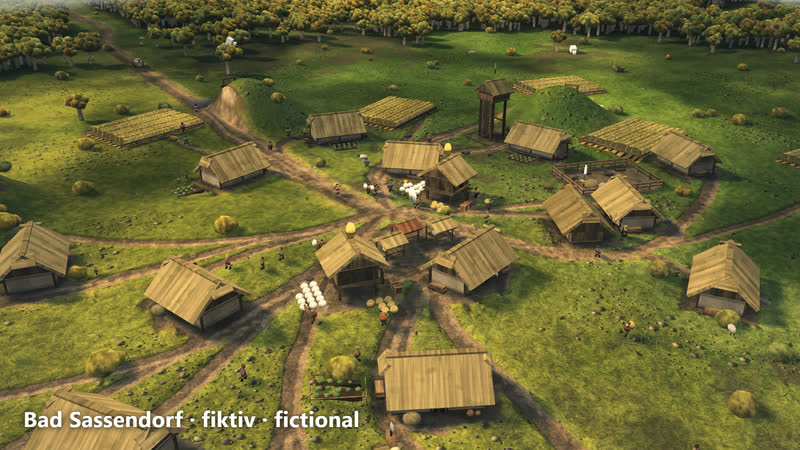
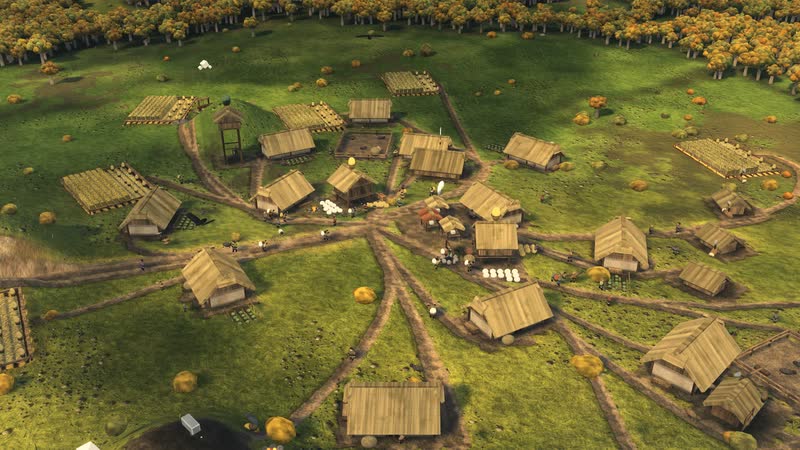
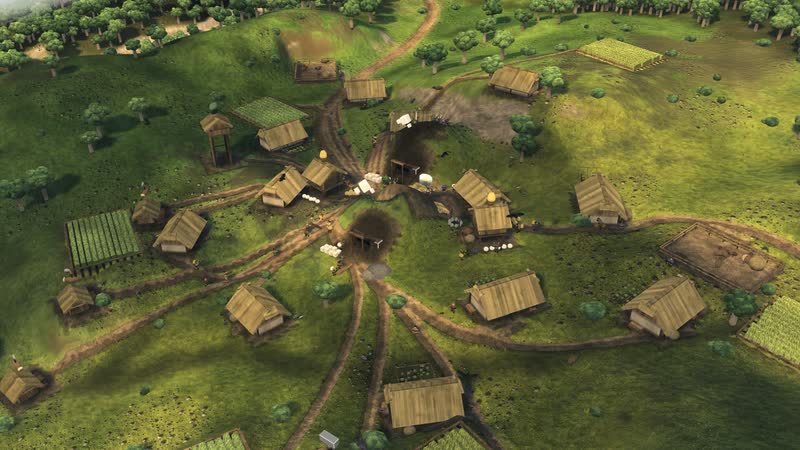
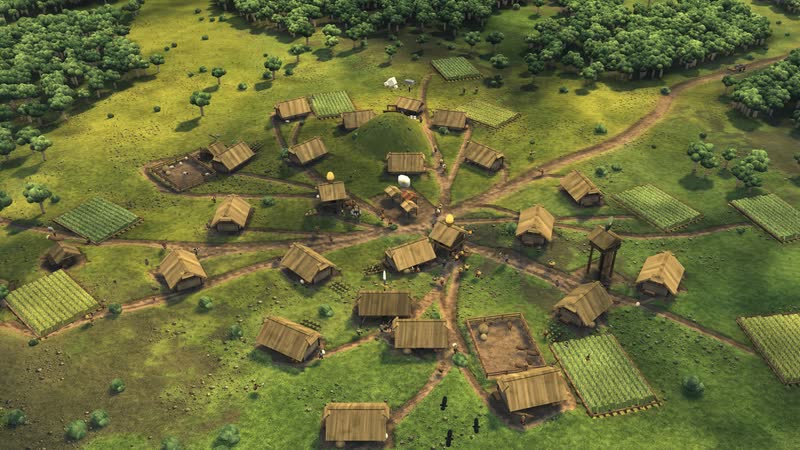
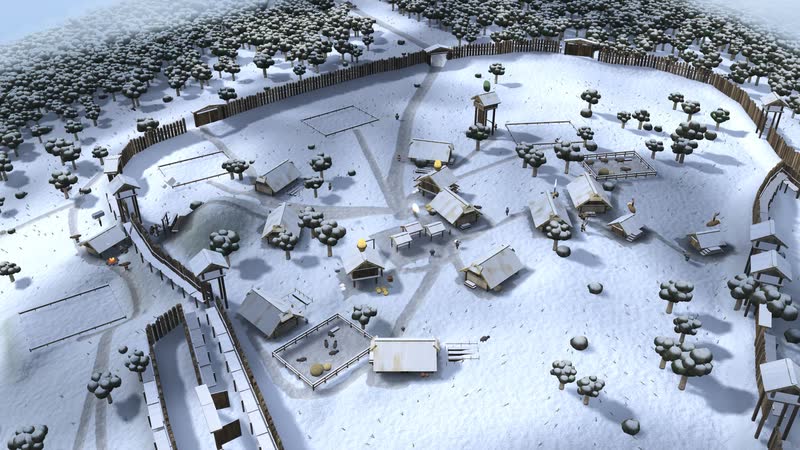
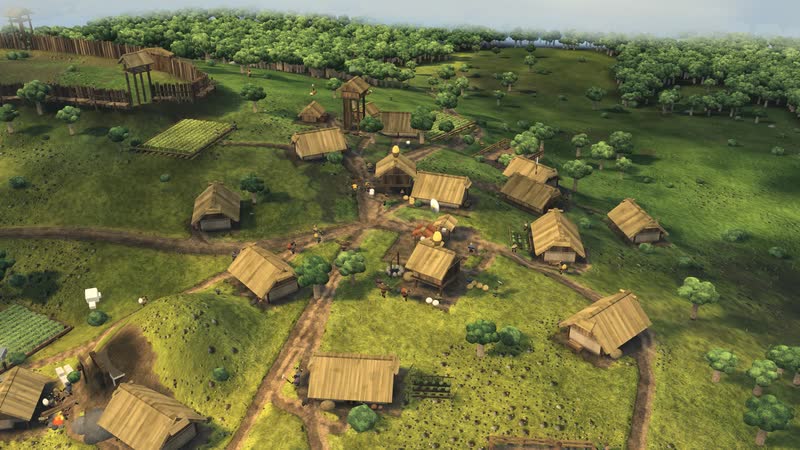
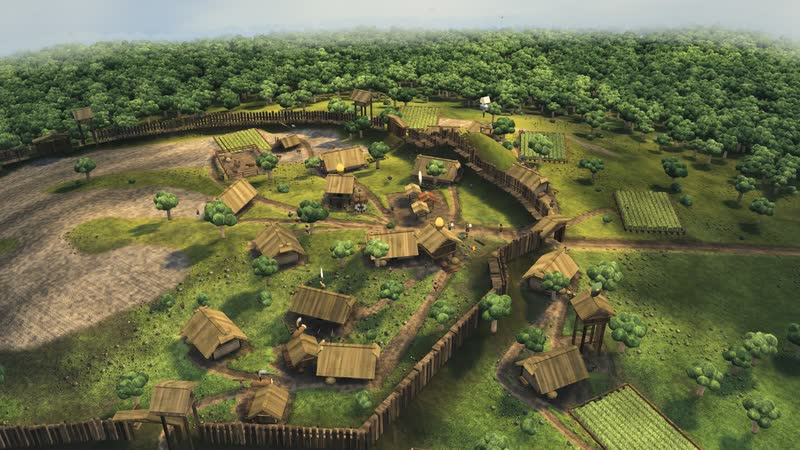
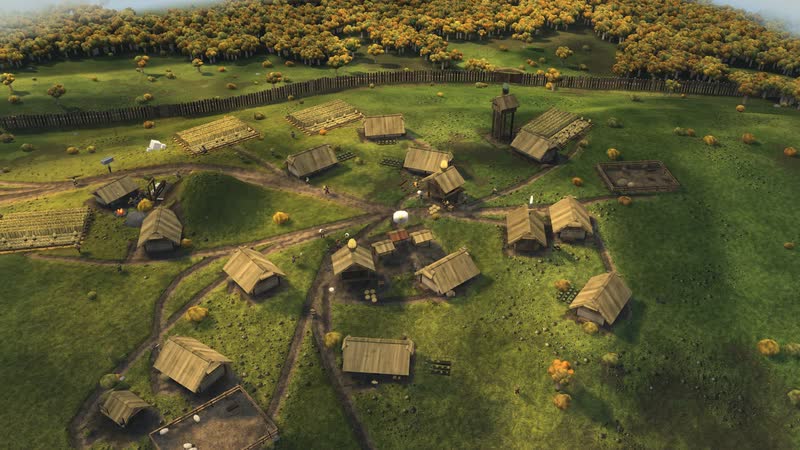
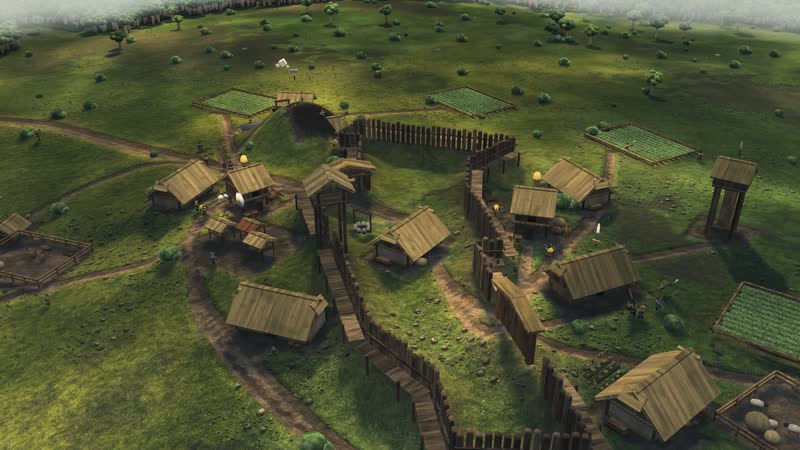
Bad Sassendorf · fictional – houses, watchtower, mine mounds and salt blocks at the granary in late summer
-
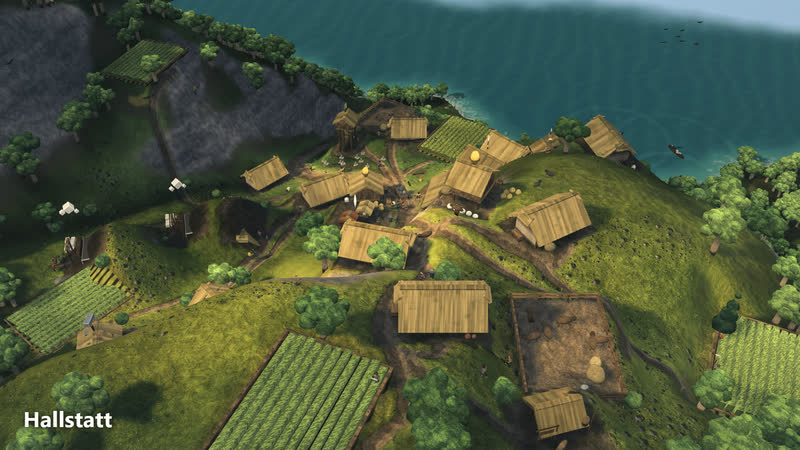
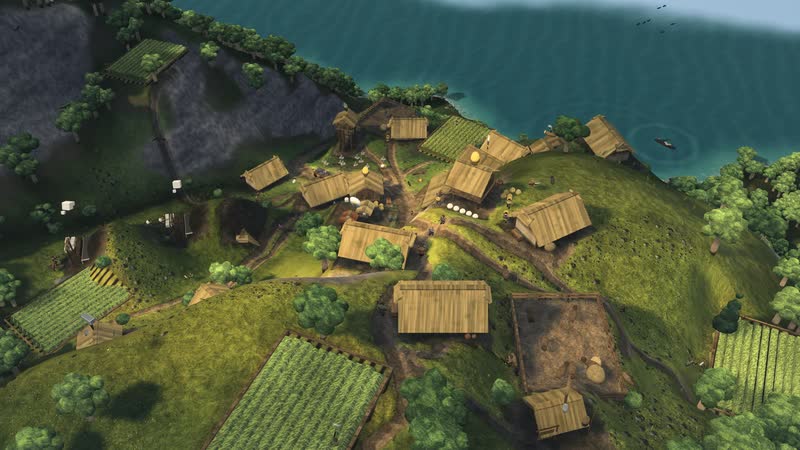
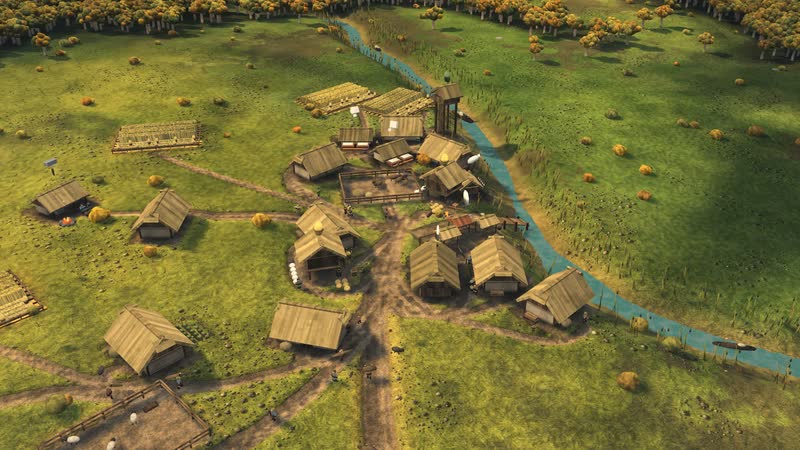
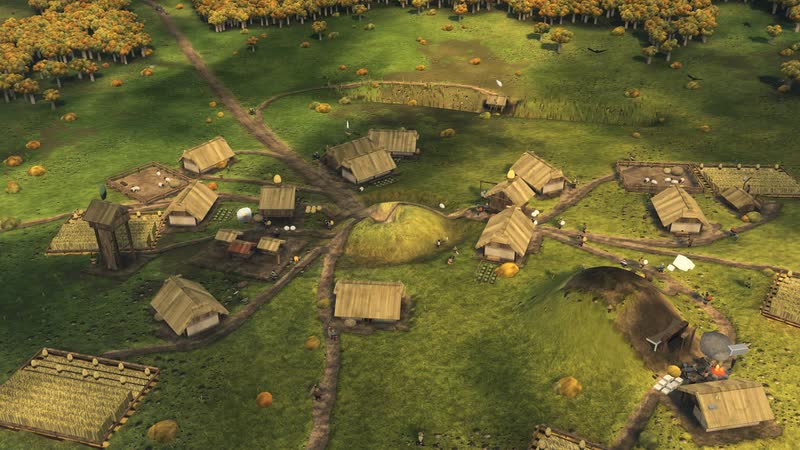
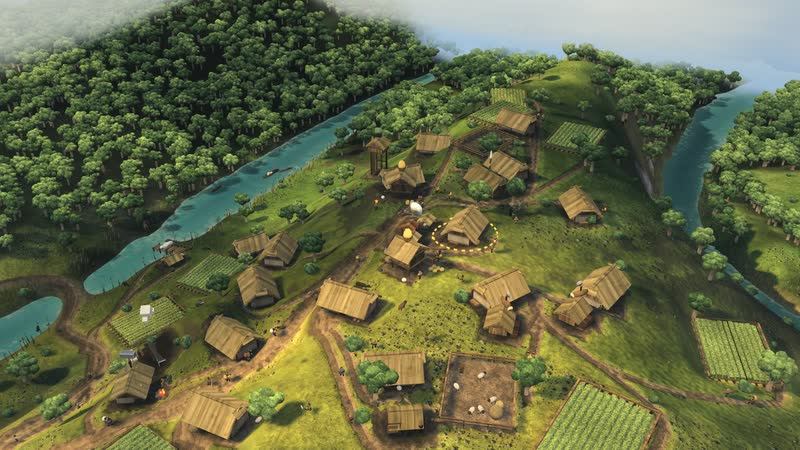
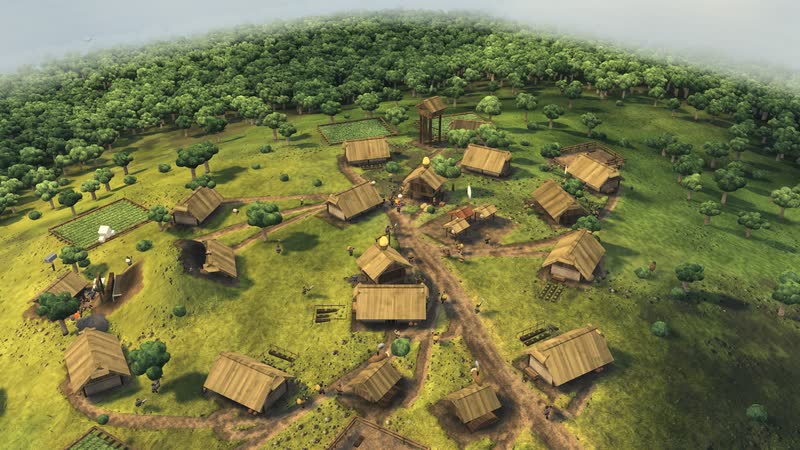
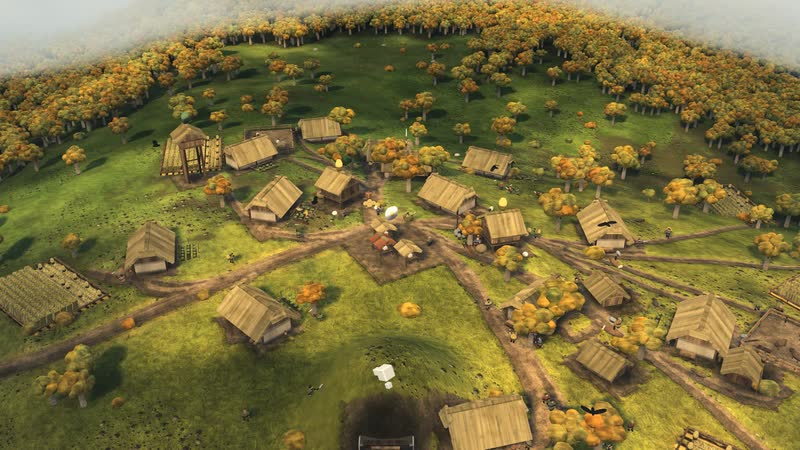
Hallstatt – village and fields between rock, forest and lake
-
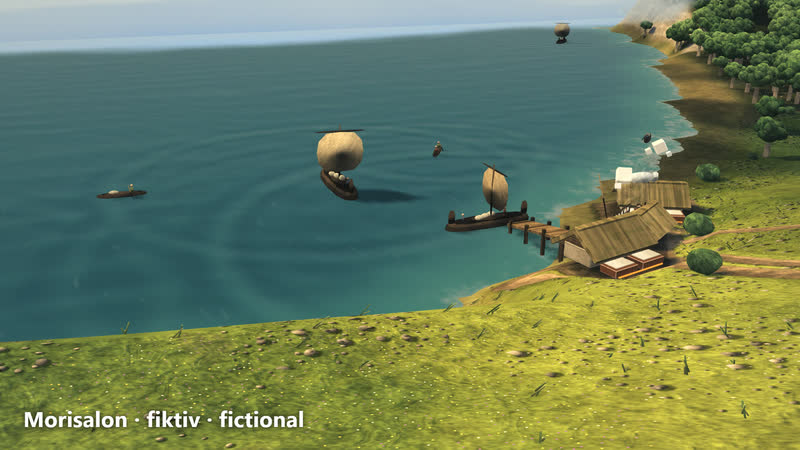
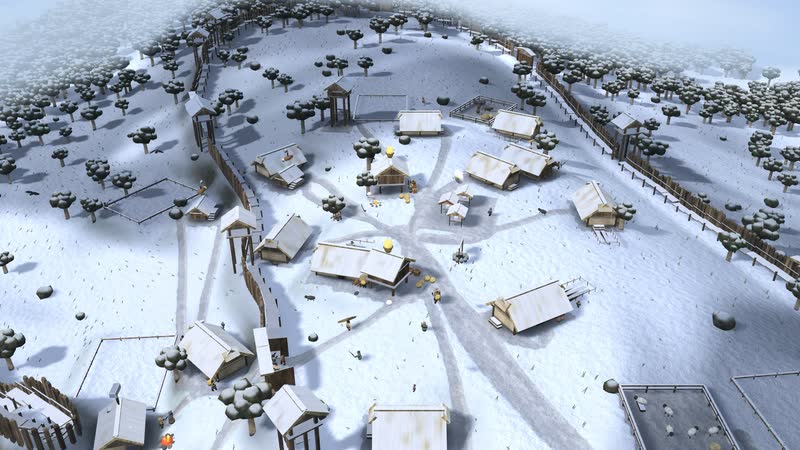
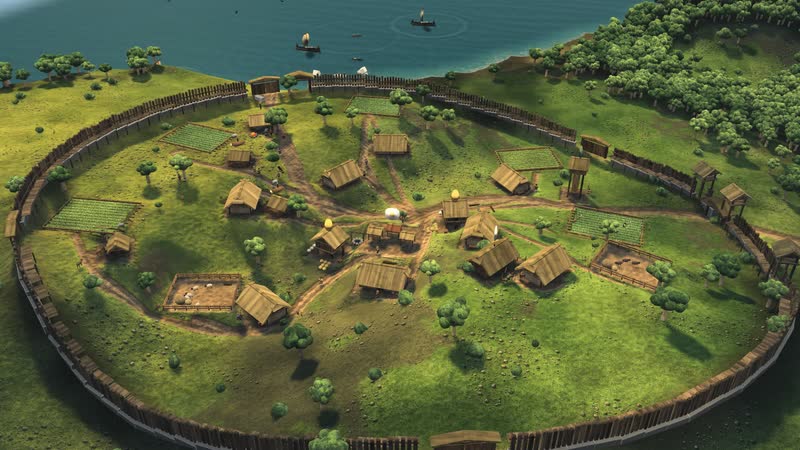
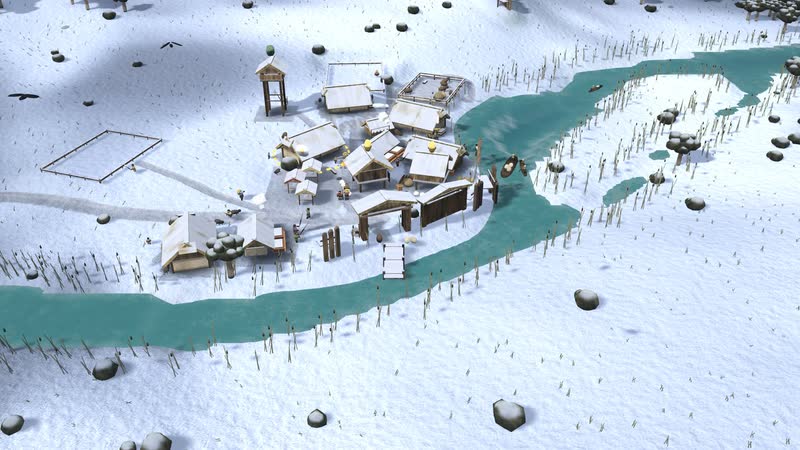
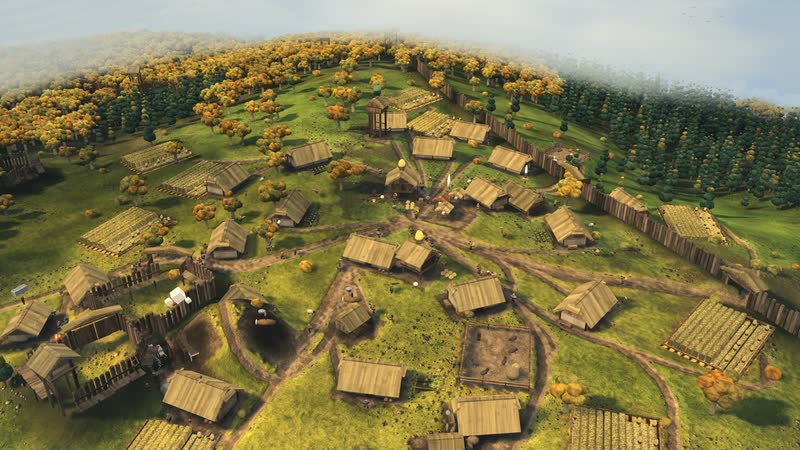
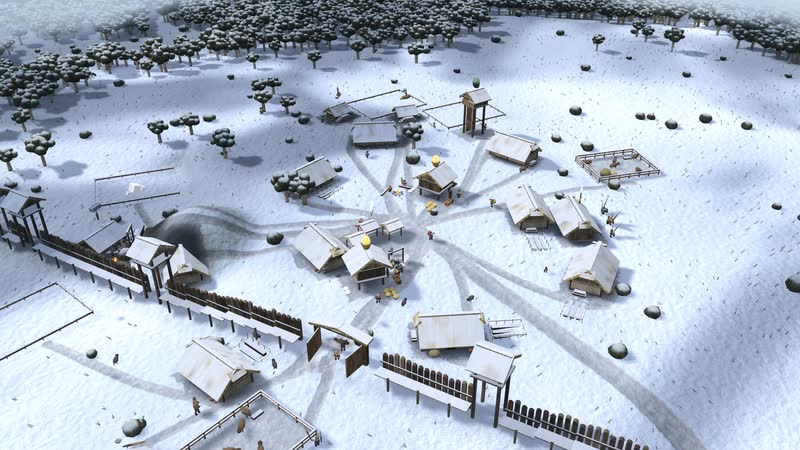
Morisalon · fictional – sailing ship at the jetty, another at sea, small boats, huts on the shore
-
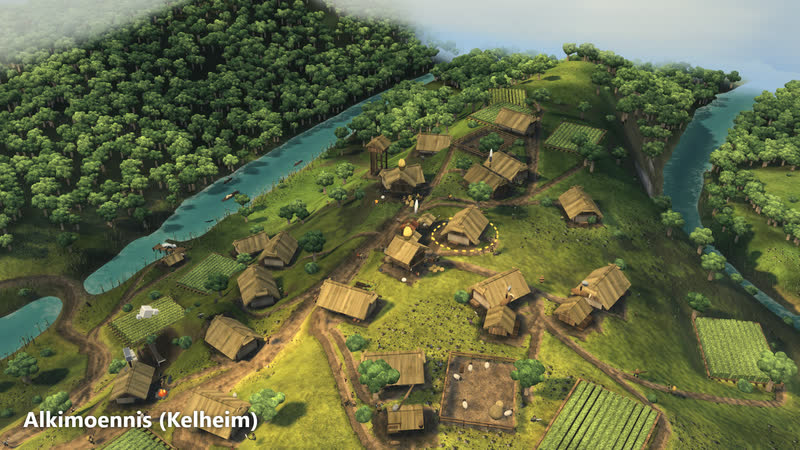
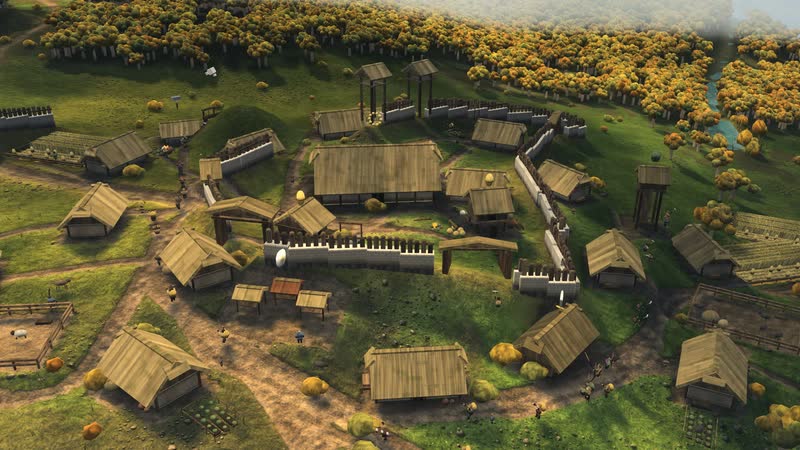
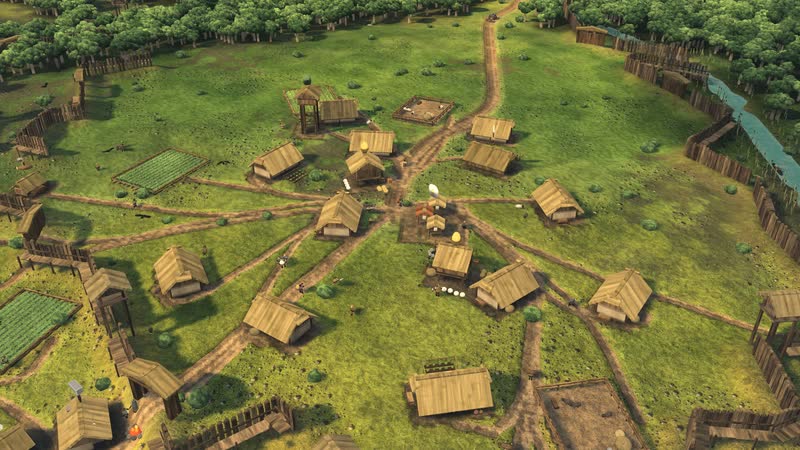
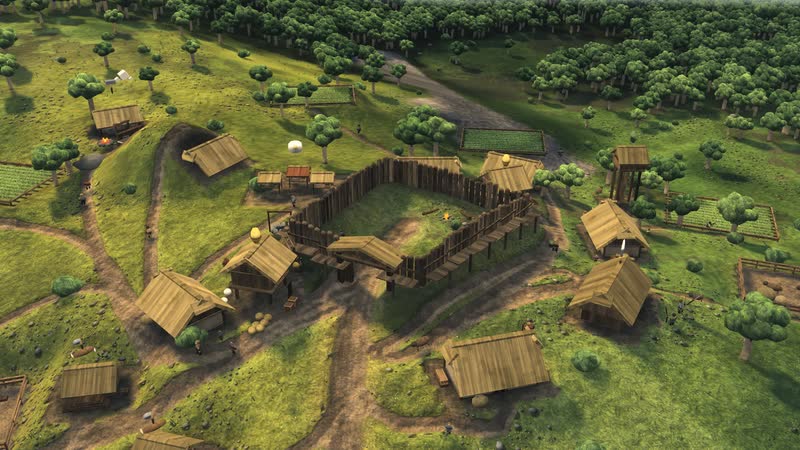
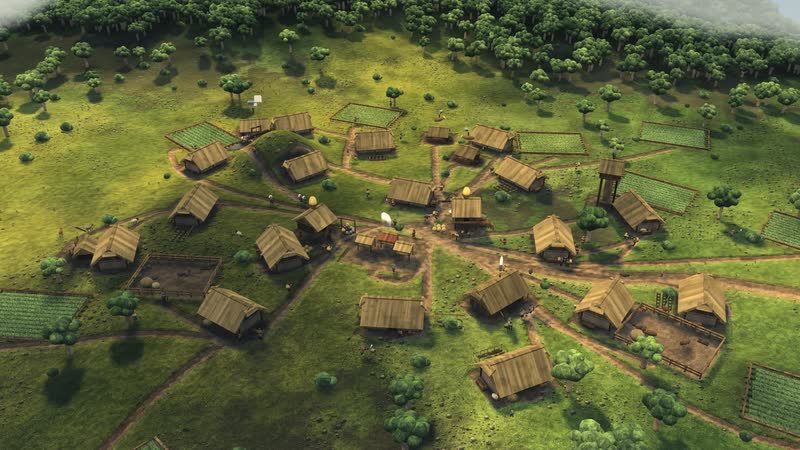
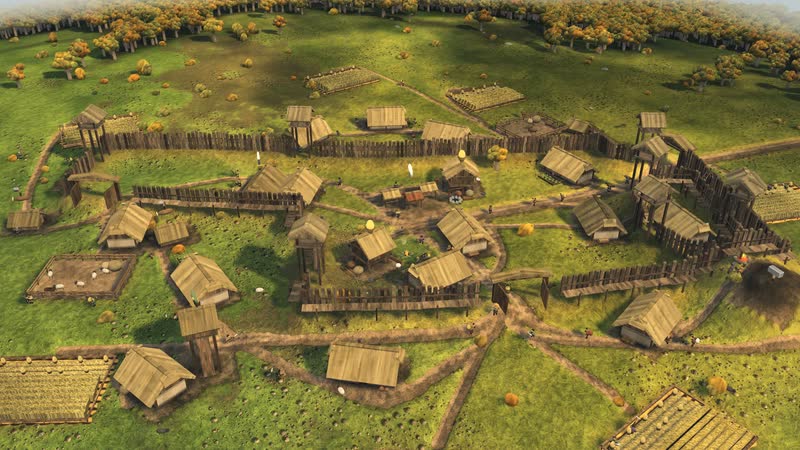
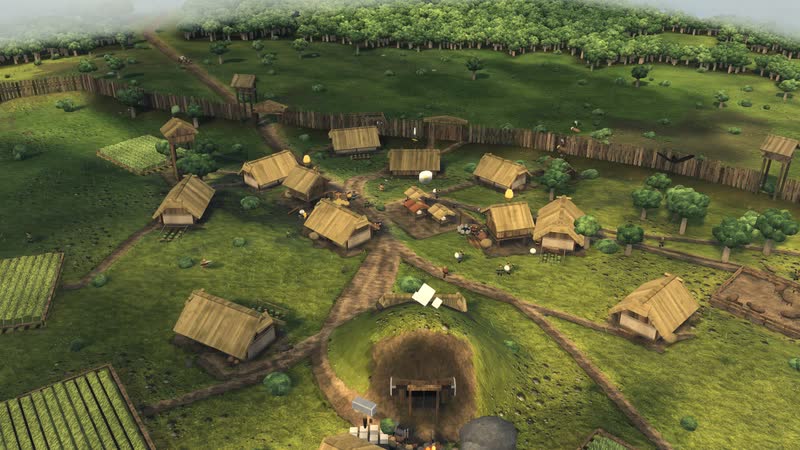
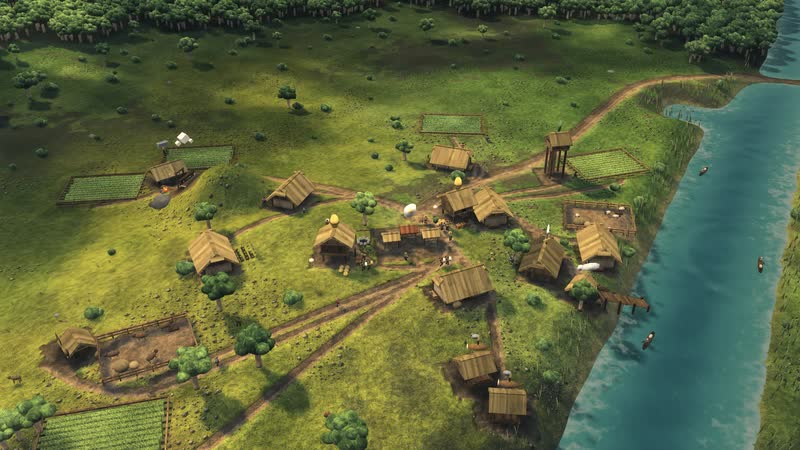
Alkimoennis (Kelheim) – village, fields and pens between two rivers and forest
Background
Hallstatt gave its name to an era. Salt was mined there on a large scale as early as the Bronze Age, and the cemetery in the high valley is dated to about 800 to 350 BC.
The Glauberg combines a fortified plateau with a burial mound and ring ditch, a sandstone statue and a 350-metre double ditch that is interpreted as a processional way. The Heuneburg on the upper Danube had a mud-brick wall around 600 BC.
Morisalon is invented and marked as fantasy, while the terrain near Étretat is real. Terrain and most walls come from elevation data and OpenStreetMap. Houses, processes and the Glauberg ring wall are simplified. Roman troops reached the early sites later in history or not at all, and the game says so when they first appear.
Trailer
29 sites
29 sites on the map of Europe: 27 real find sites and two fictional villages on real terrain, Morisalon and Bad Sassendorf.
-
01 Bad Sassendorf (fantasy)
-
02 Hallstatt
-
03 Glauberg
-
04 Heuneburg
-
05 Morisalon (fantasy)
-
06 Dürrnberg (Hallein)
-
07 Bad Nauheim
-
08 Marsal (Seille-Tal)
-
09 Manching
-
10 Schwäbisch Hall
-
11 Hochdorf (Hohenasperg)
-
12 Altburg (Bundenbach)
-
13 Hunnenring (Otzenhausen)
-
14 Alkimoennis (Kelheim)
-
15 Bibracte (Mont Beuvray)
-
16 Heidengraben (Grabenstetten)
-
17 Mont Lassois (Vix)
-
18 Donnersberg
-
19 Alesia (Alise-Sainte-Reine)
-
20 Dünsberg
-
21 Steinsburg (Kleiner Gleichberg)
-
22 Závist
-
23 Burgstall (Finsterlohr)
-
24 Danebury
-
25 La Tène
-
26 Maiden Castle
-
27 Gergovia (Gergovie)
-
28 Stradonice
-
29 Entremont
Controls
-
Desktop
Click the ground and pick a building in the ring, or preselect a building below and it stays selected. Click a building: upgrade, demolish.
Minimal Celtic…
More +−
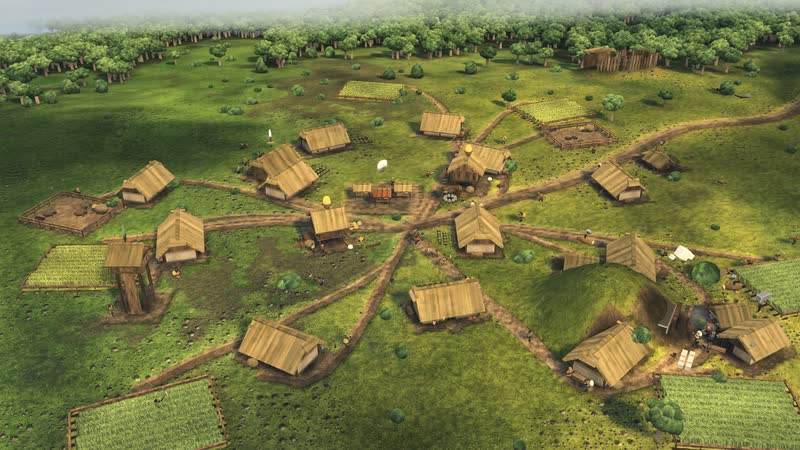
Minimal Celtic is a building simulation in the role of the Celts. A map of Europe leads to the sites. When you enter, the village is already running: farmers, miners, woodcutters and smiths work and carry their goods to the granary, and only there do they count.
Salt is at the heart of it. It preserves food and is the best trading good. In Hallstatt you mine it yourself, in Morisalon you boil it from sea water, at the Glauberg and the Heuneburg you buy it at the market. Ox carts bring and fetch the goods.
You build by tapping the ground. A few broad decisions are enough, and one sentence at the top names the bottleneck. From time to time a small Roman troop marches along the road: call to arms or tribute. There is no game over.
How to play
More +−
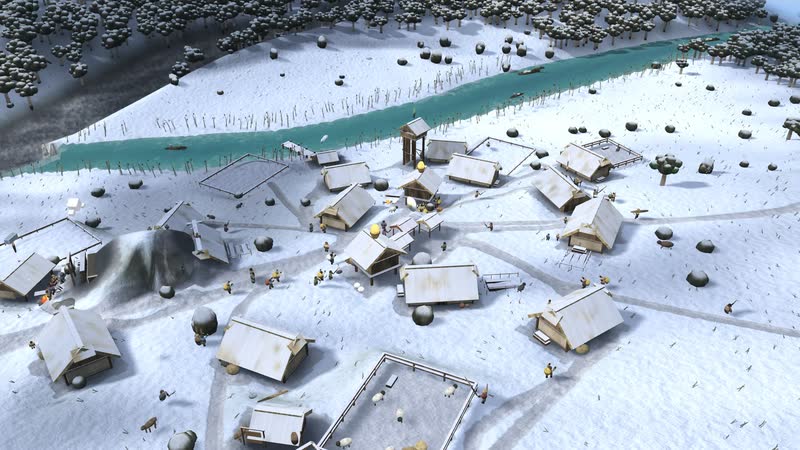
- A year lasts 240 seconds, four seasons, and the fields rest in winter.
- Goods: food, wood, salt, iron, wares, silver. Inhabitants need housing, food and salt. With a surplus the settlement grows, with a shortage people leave. Without salt the stores spoil.
- Buildings: house, field, pen, granary, woodcutter, salt mine or boiling hut, smithy, market, watchtower, warriors' house.
- Salt mine, in Bad Nauheim, Marsal, Schwäbisch Hall and Morisalon the boiling hut. Bad Sassendorf has three mines and boiling huts. Where no mine is attested, the mine is marked as added freely.
- Each person eats about 2.4 food a year, the fields rest in winter.
- Fisher and hunter (added freely) provide food all year; the fisher needs water nearby.
- The wall can only be crossed at gates, small posterns and, in battle, by ladders; posterns and ladders are simplified.
- You build on the market side of the river, the game has no bridges.
- The size of the Roman troop depends on the size of the settlement.
- The salt mine uses wood (pit props, torches). Prices are simplified and named as such.
- Trade: for each good hold, sell or buy. Carts exchange at the market, and a remainder stays in the settlement.
- A settlement by the water has a jetty. With a market, trading ships call there too; a ship carries twice as much as an ox cart. The Roman troop can land by ship as well. Paying tribute before the landing turns the ships back. Ship shapes and boat trade at these sites are interpretation, not attested.
- Romans: a troop marches along the road. Call to arms (everyone fights, work stops) or tribute (silver, the troop leaves). It plunders stores and sets fire to at most two buildings. There is no game over.
Minimal Celtic
Build at real Celtic sites: mine salt, trade and watch your settlement grow.
cube4tec.de/spiele/minimal-celtic/