
Simulation · A game by CUBE4DEV
Minimal Mall
Twelve big shopping centres in Germany as a living model: set parking, bus and rail, advertising and offers. Free in your browser.
- Free
- No installation
- No sign-up
- In your browser, on phones too
-
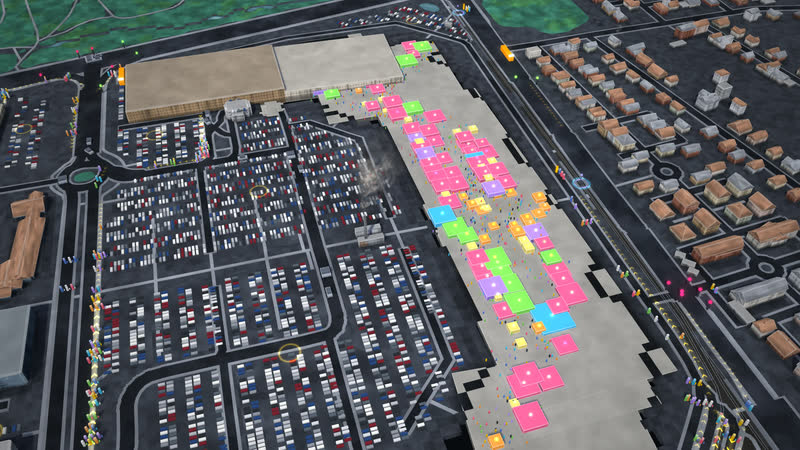
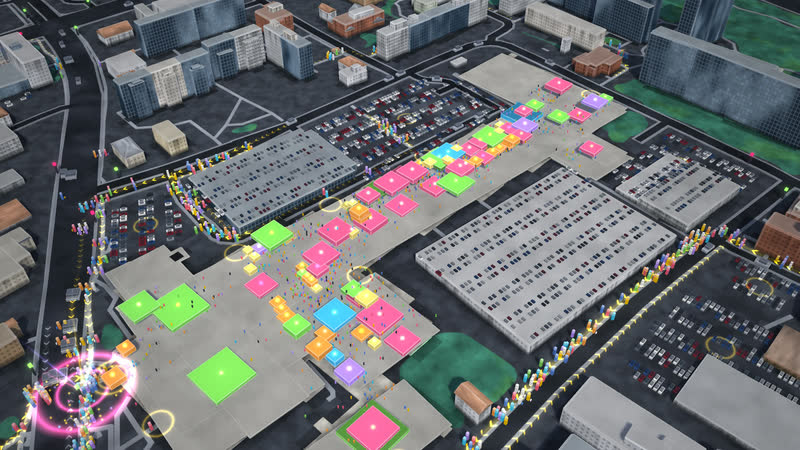
Paunsdorf Center · Leipzig – roof off: shops and visitors beside the full car park
-
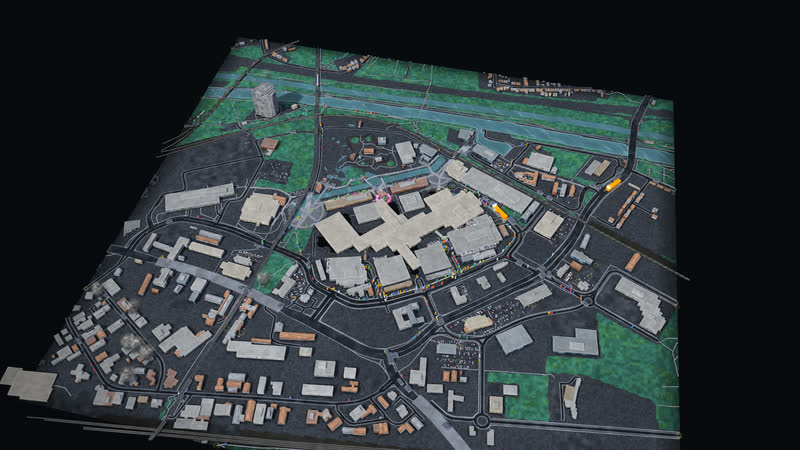
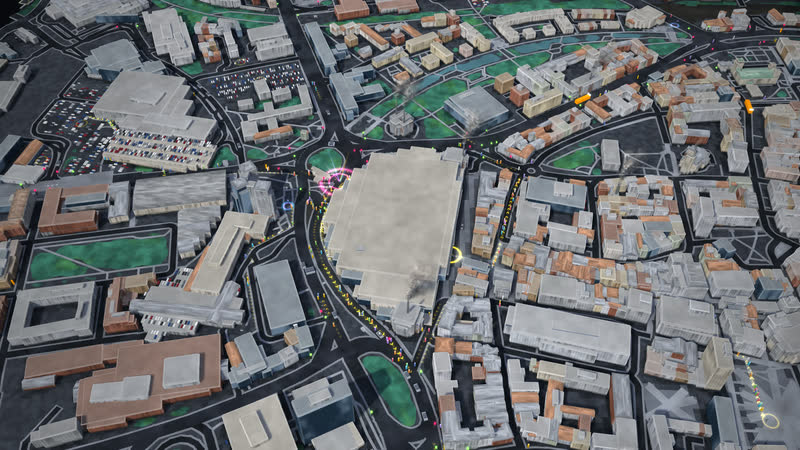
Westfield Centro · Oberhausen – the whole centre with its car parks
-
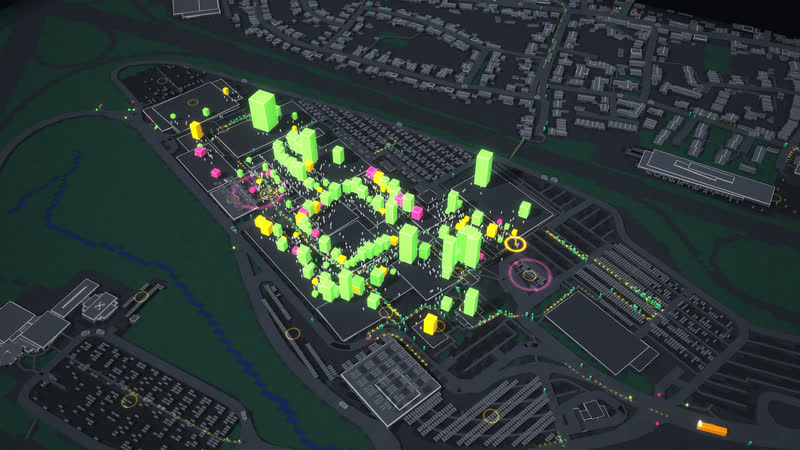
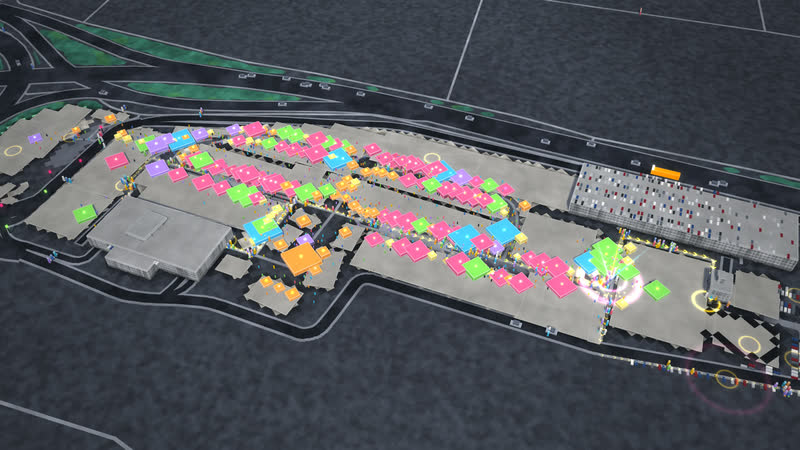
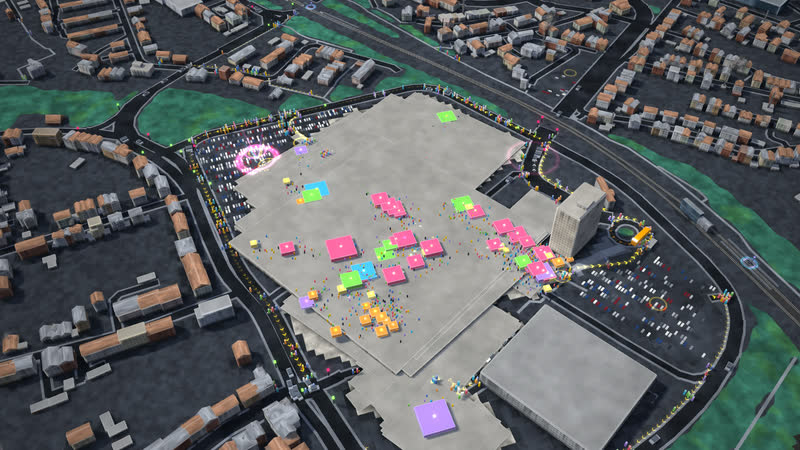
Ruhr Park · Bochum – analysis: block height is model sales, colour shows who does well
-
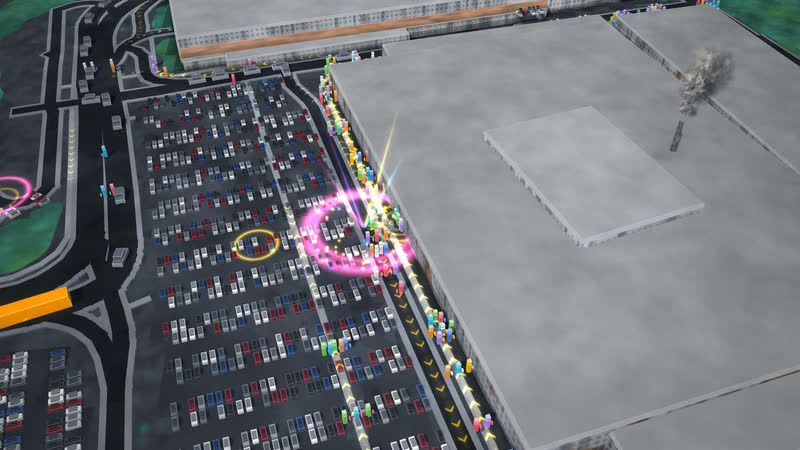
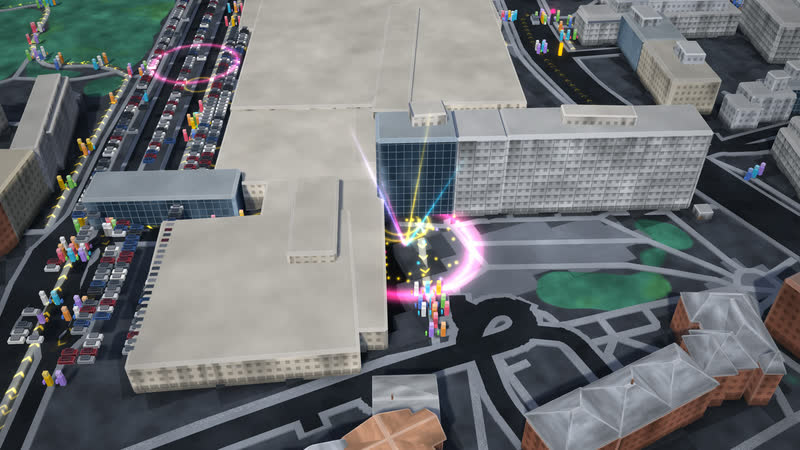
Elbepark · Dresden – cars, car park and people on their way in
-
Main-Taunus-Zentrum · Sulzbach near Frankfurt – looking into the shopping streets
-
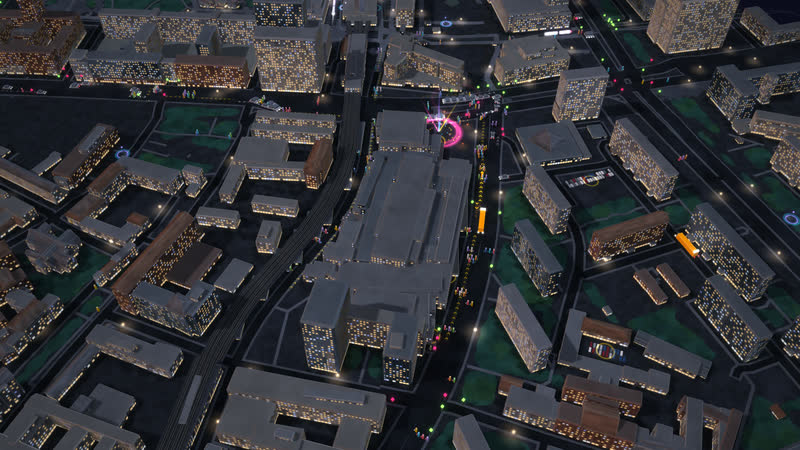
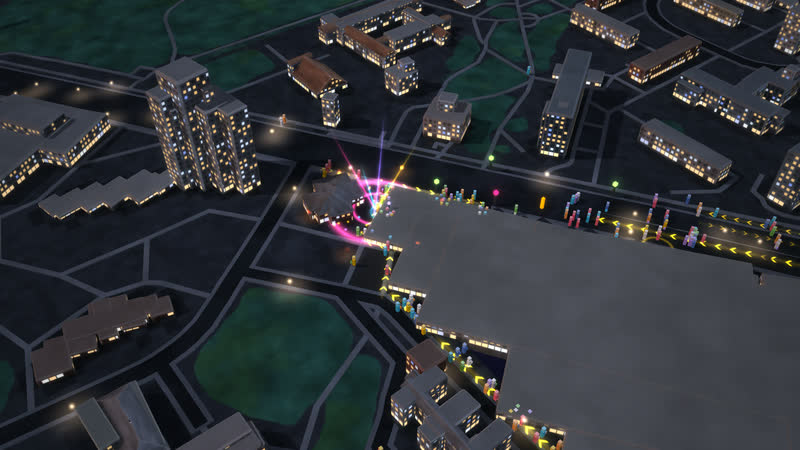
Alexa · Berlin – evening at Alexanderplatz, trains and footpaths
-
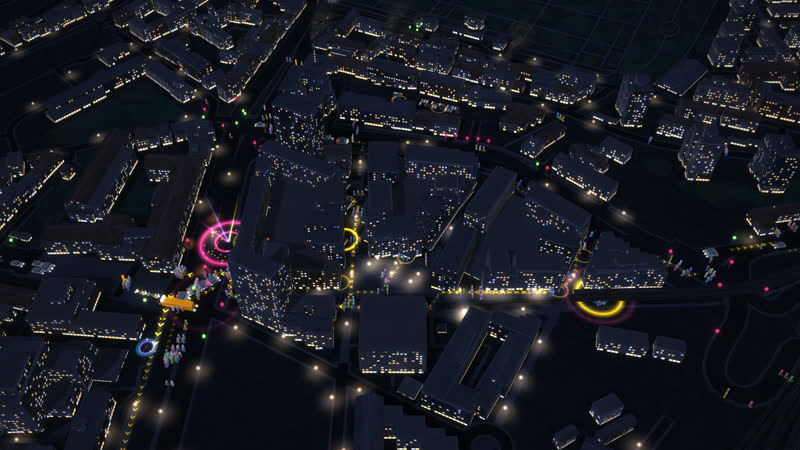
Milaneo · Stuttgart – at night in the Europaviertel
-
Olympia-Einkaufszentrum · Munich – up close: shops by floor, visitors between them
-
Gropius Passagen · Berlin – evening at the entrance
-
Limbecker Platz · Essen – right in the city centre
-
Rhein-Ruhr-Zentrum · Mülheim an der Ruhr – roof off: shops and visitors
-
Alstertal-Einkaufszentrum · Hamburg – people on their way to the entrance
12 shopping centres
Playful model. Visitors, sales and the status of the shops are model values, not real business figures. The names of the centres are for orientation only; there is no connection with the operators. © OpenStreetMap contributors (ODbL)
- 01
Westfield Centro · Oberhausen
- 02
Ruhr Park · Bochum
- 03
Limbecker Platz · Essen
- 04
Rhein-Ruhr-Zentrum · Mülheim an der Ruhr
- 05
Main-Taunus-Zentrum · Sulzbach near Frankfurt
- 06
Alexa · Berlin
- 07
Gropius Passagen · Berlin
- 08
Alstertal-Einkaufszentrum · Hamburg
- 09
Olympia-Einkaufszentrum · Munich
- 10
Paunsdorf Center · Leipzig
- 11
Elbepark · Dresden
- 12
Milaneo · Stuttgart
Plays everywhere
-
Desktop
Drag to move, right mouse button to rotate and tilt, wheel to zoom, click a place or shop to see it. By keyboard: Tab and arrows for buttons and controls, Enter for mid-view, WASD, Q/E, R/F, +/− the camera, T Controls, L Sales, V view, C Compare, I introduction, Space pause, Esc closes.
-
Phone
One finger moves the map, two fingers zoom and rotate, both up or down tilt. Tap a place or shop to see it, a train or bus to ride along. “Controls” below opens the controls; the buttons on the right go in, out, rotate and tilt.
Minimal Mall…
More +−
Minimal Mall shows how a shopping centre works: cars look for spaces, buses and trains bring people, shops sell. Everyone on the move is out shopping – those leaving carry bags. Sales today sit at the top; the ring shows sales per hour against a normal day.
You set how people get there and what is on offer: Parking spaces and Parking fee, Combined ticket, buses and trains, Advertising, Offers up to Mega sale, floor space by sector. Every move works at once – so you see how visitor flows, getting there and the offer fit together.
Get close and the roof opens: every block is a shop at its location according to OpenStreetMap, floor above floor, with visitors in between. Green is doing well, yellow tight, pink not doing well – all in the model.
Twelve big shopping centres in Germany, four of them in the Ruhr area, the others from Hamburg to Munich. The maps come from OpenStreetMap: buildings, roads, car parks, stops and shops with sector and floor, as far as mapped there; the depiction is simplified.
The model shows relationships, not forecasts. The game itself is in German and English. It runs right in your browser, on phones too: no download, no app, no sign-up.
Playful model. Visitors, sales and the status of the shops are model values, not real business figures. The names of the centres are for orientation only; there is no connection with the operators.
© OpenStreetMap contributors (ODbL)
How to play
More +−
- The centre keeps running. The top line guides you step by step: pull Advertising, check the parking, raise bus and rail frequency, click a shop. On first start an introduction shows where everything is; “?” or key I shows it again.
- “Getting there” tab: Parking spaces from 25 to 200 %, Parking fee from “free” upwards, Combined ticket from “off” to 80 %, Buses from “off” to 300 %, frequency of Metro & tram and Suburban rail where they exist. “All back to normal” resets everything.
- “Offers” tab: Advertising up to 200 %, Offers from “none” through “normal” and “Sale” to “Mega sale”, floor space by sector – Fashion, Food & drink, Electronics, Everyday, Leisure – from “all closed” to 200 %. “Slack”, “Normal” and “Peak” set everything at once.
- Advertising draws people in from the whole region. When the car parks are full, cars turn around – the visit and the sales are gone: if space runs short, it holds Advertising back. More spaces only help where they are missing.
- Sale and Mega sale bring more buyers and lift sales at once, but the receipt gets smaller. The Parking fee brings income, shown on the board; some drivers then come by bus and rail or not at all. The Combined ticket takes cars away and fills the platforms.
- In the model Fashion is the magnet: less space means empty units and fewer visitors. People who eat here stay longer. Electronics are a few big units with high sales, Everyday means regulars every week, Leisure is a reason to come.
- The Sales board on the right (key L) has three tabs. Sales: per hour and by sector, visitors, buyers, average receipt, effects against a normal day. Getting there: how people come, car parks, cars turned away, congestion. Shops: which do well and which do not, by sector and floor.
- Click or tap a shop: the card names sector and floor, its status in the model – “doing well”, “tight”, “not doing well” or “closed” – and its share of usual. “Close” and “Open” switch it. A train or bus takes the camera along.
- Views: Centre, Plan, Analysis and “Inside”: the roof opens and the camera moves to the building. Analysis has three lenses: Shops (height = sales, colour = status), Traffic (load on the approach roads) and Crowding (the ways in). Signs flag “Car park full”, “Jam”, “Crowding”.
- “Compare” (key C) shows the normal day: the same centre with the same demand, without your changes. Visitor numbers, sales and the status of each shop are model assumptions. They show relationships, not forecasts.
- Bottom right: sound (key M), day, evening and night (key N), overview (Home). In the bar below: pause and faster.
- With “Watch” on the title page the centre runs by itself: overview, entrance, a train, the open roof, “What if … there was a mega sale everywhere?”, then the matching lens, a bus, the analysis – then the next centre. “Click to play” hands it over to you.
Minimal Mall
Twelve big shopping centres in Germany as a living model: set parking, bus and rail, advertising and offers. Free in your browser.
cube4tec.de/spiele/minimal-mall/