
Simulation · Minimal Organization · Energy and water
Energy supplier
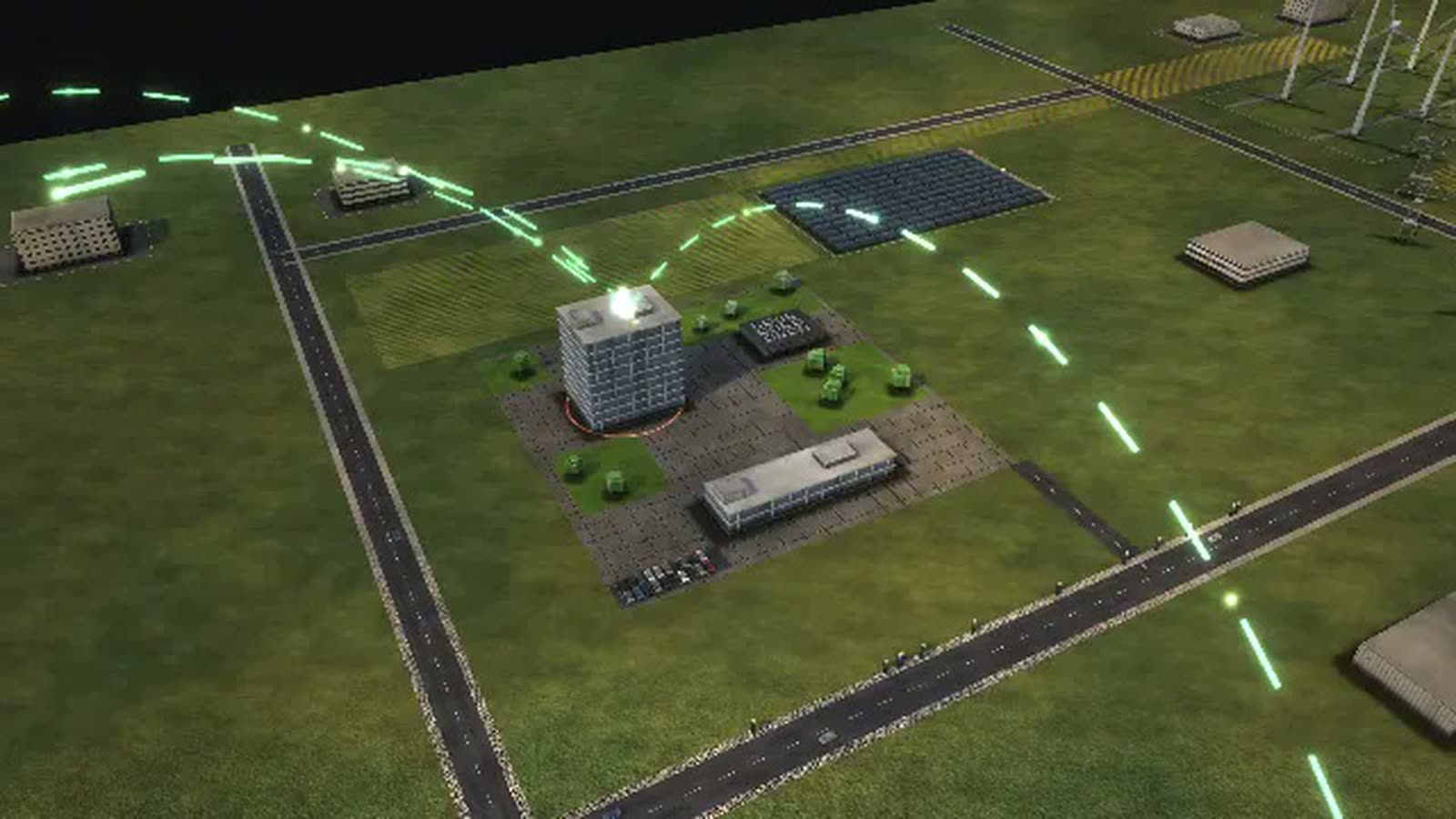
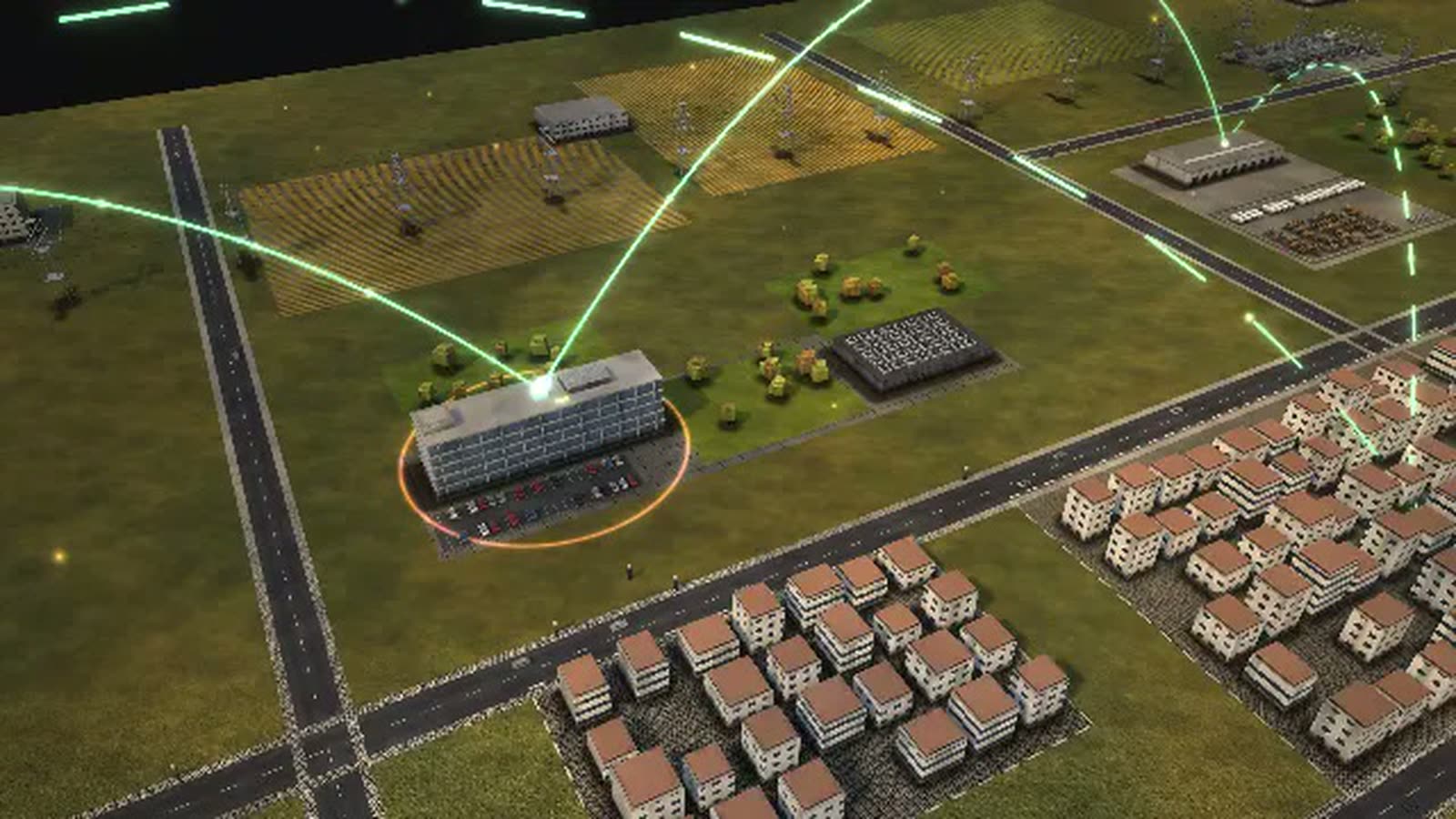
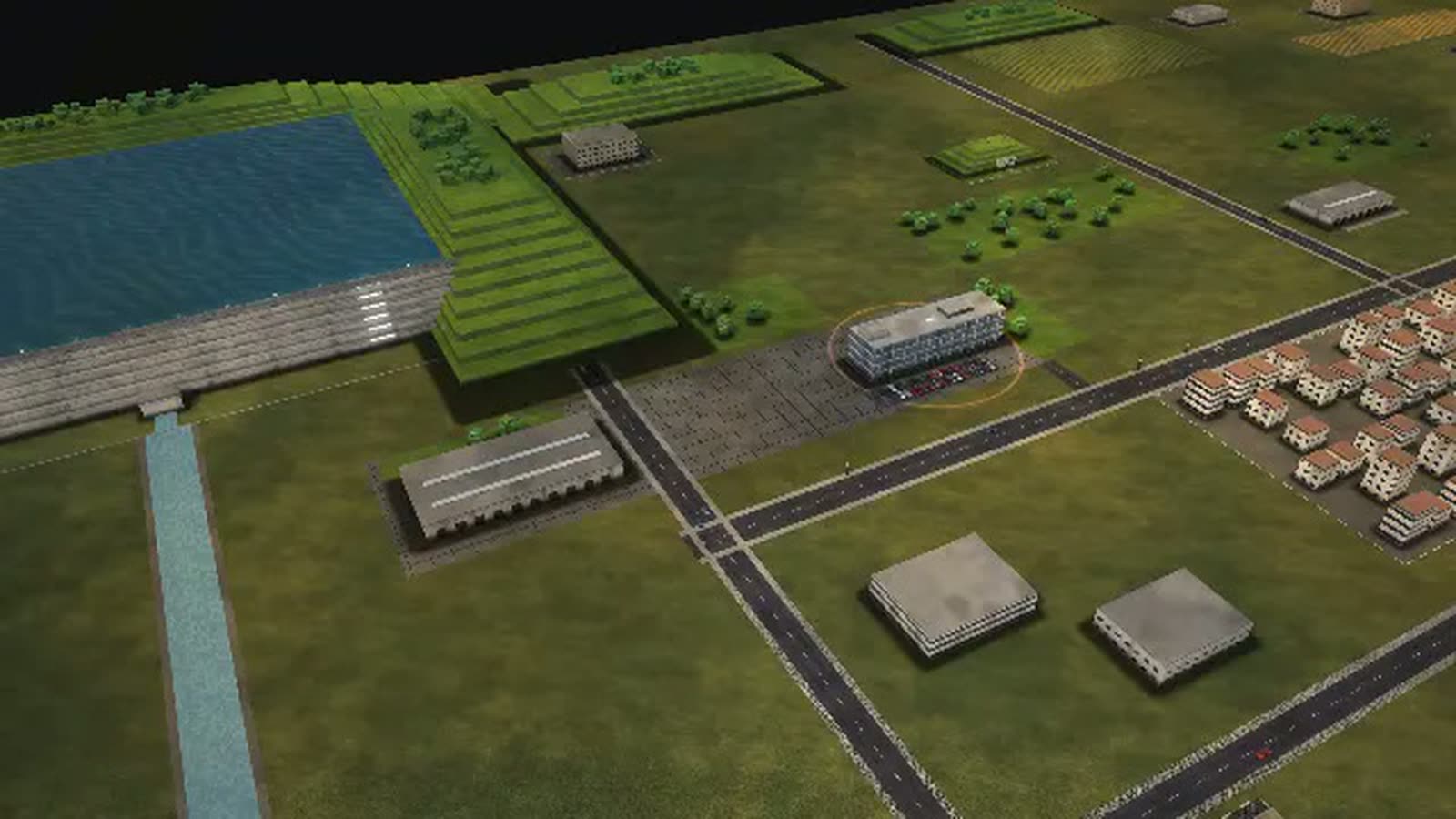
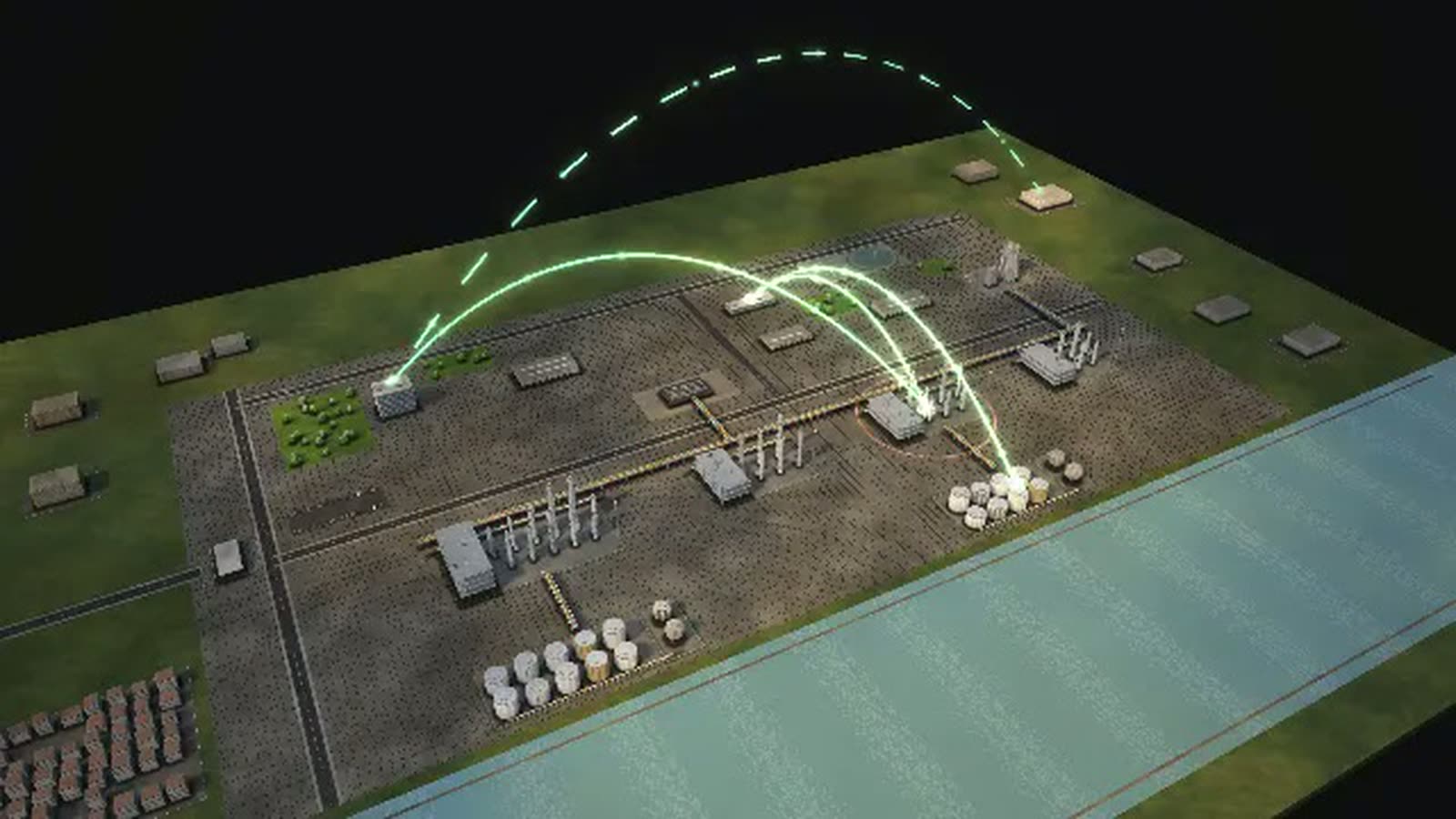
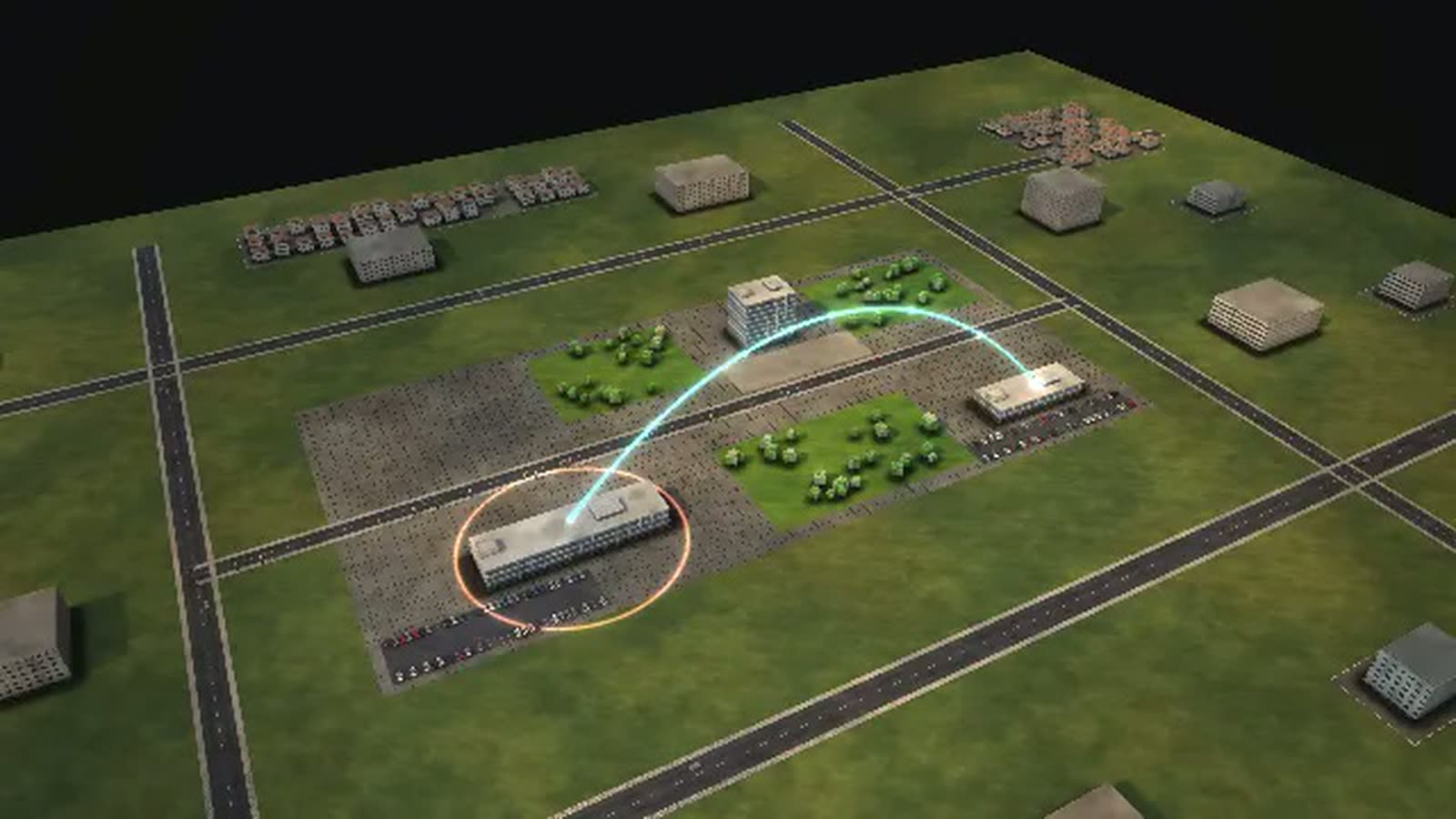
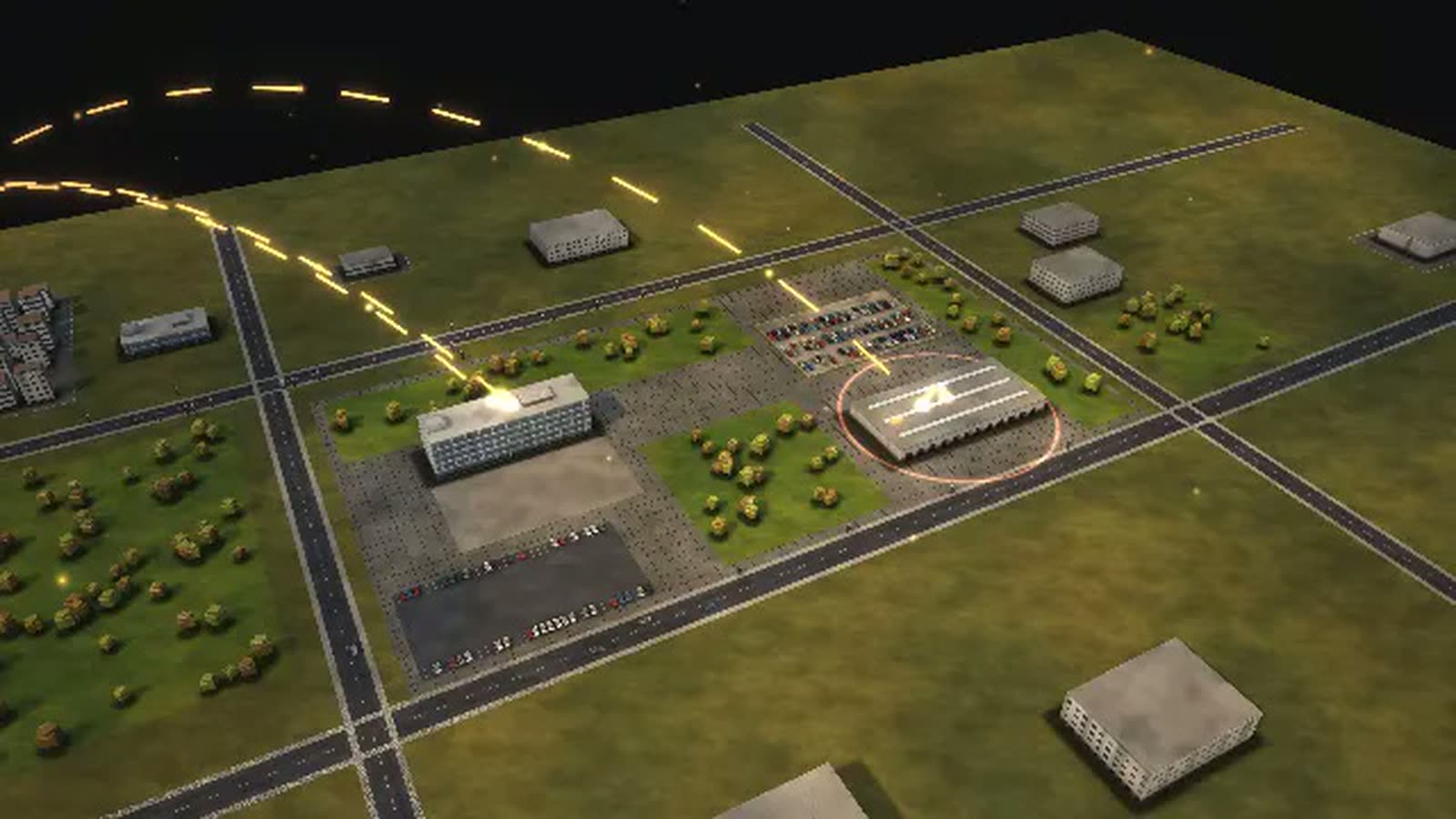
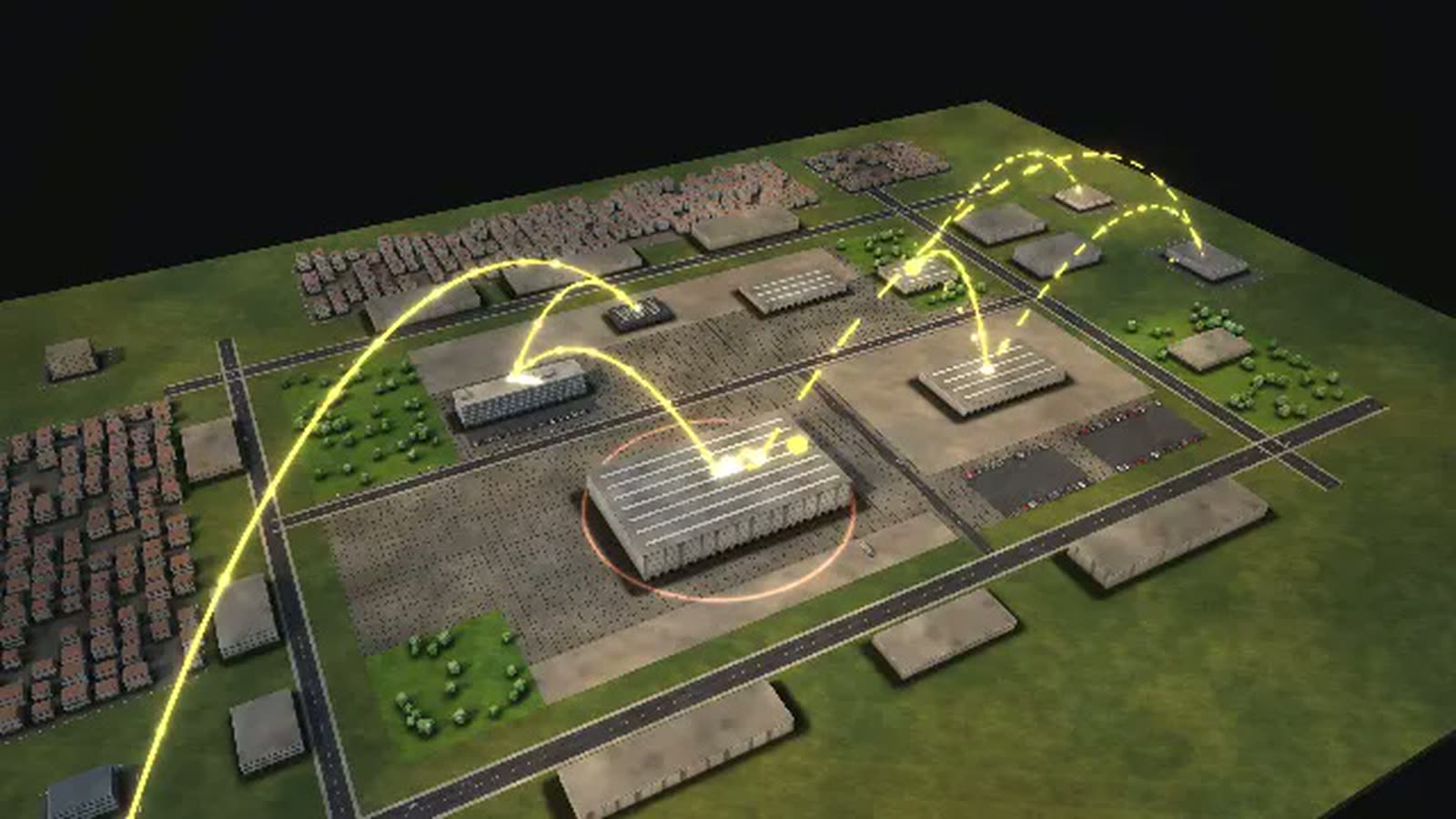
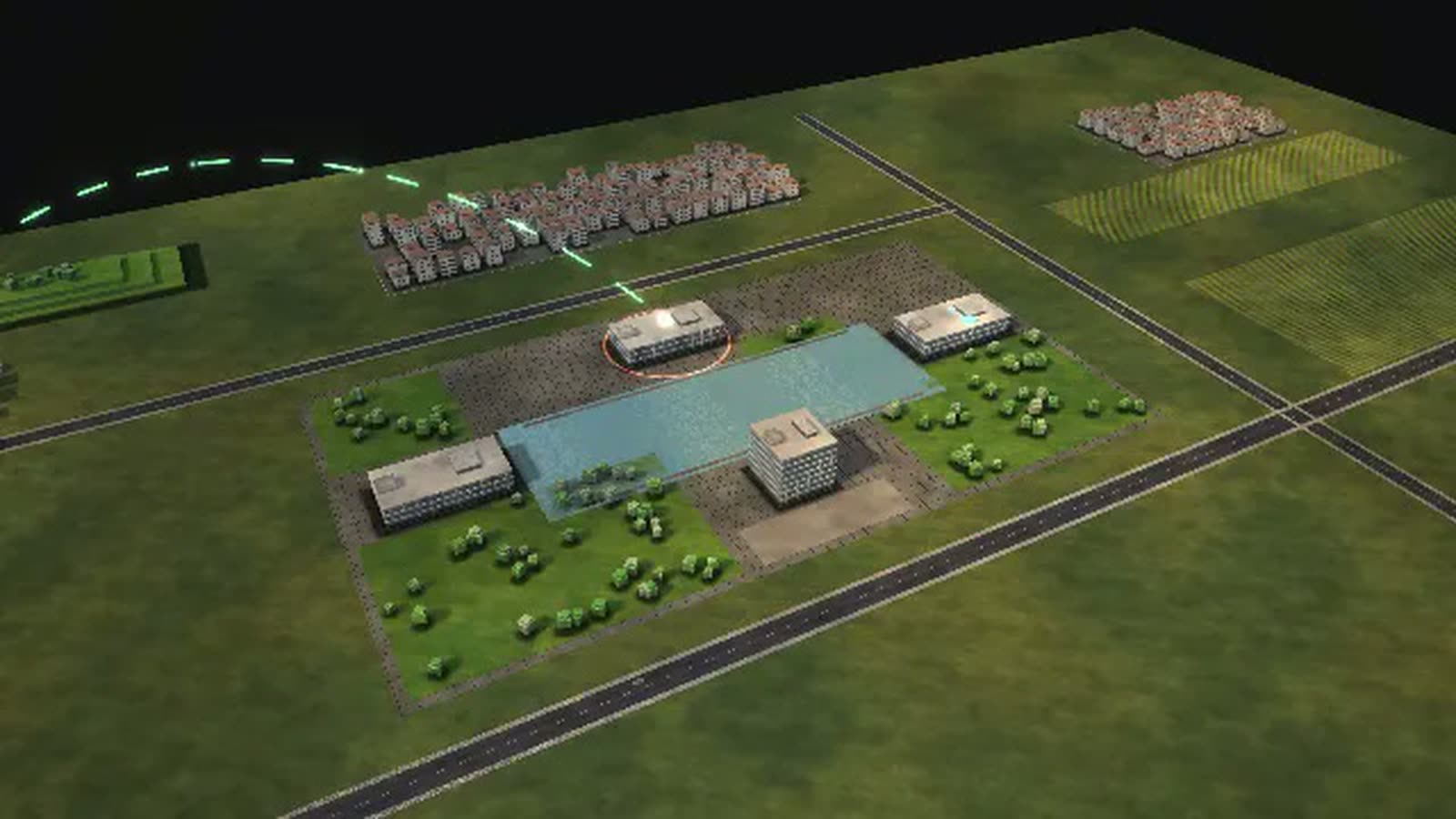
An energy group without its own grid as a walkable model: supplier switching within 24 hours, power trading until noon, and gas, wind and solar on one site.
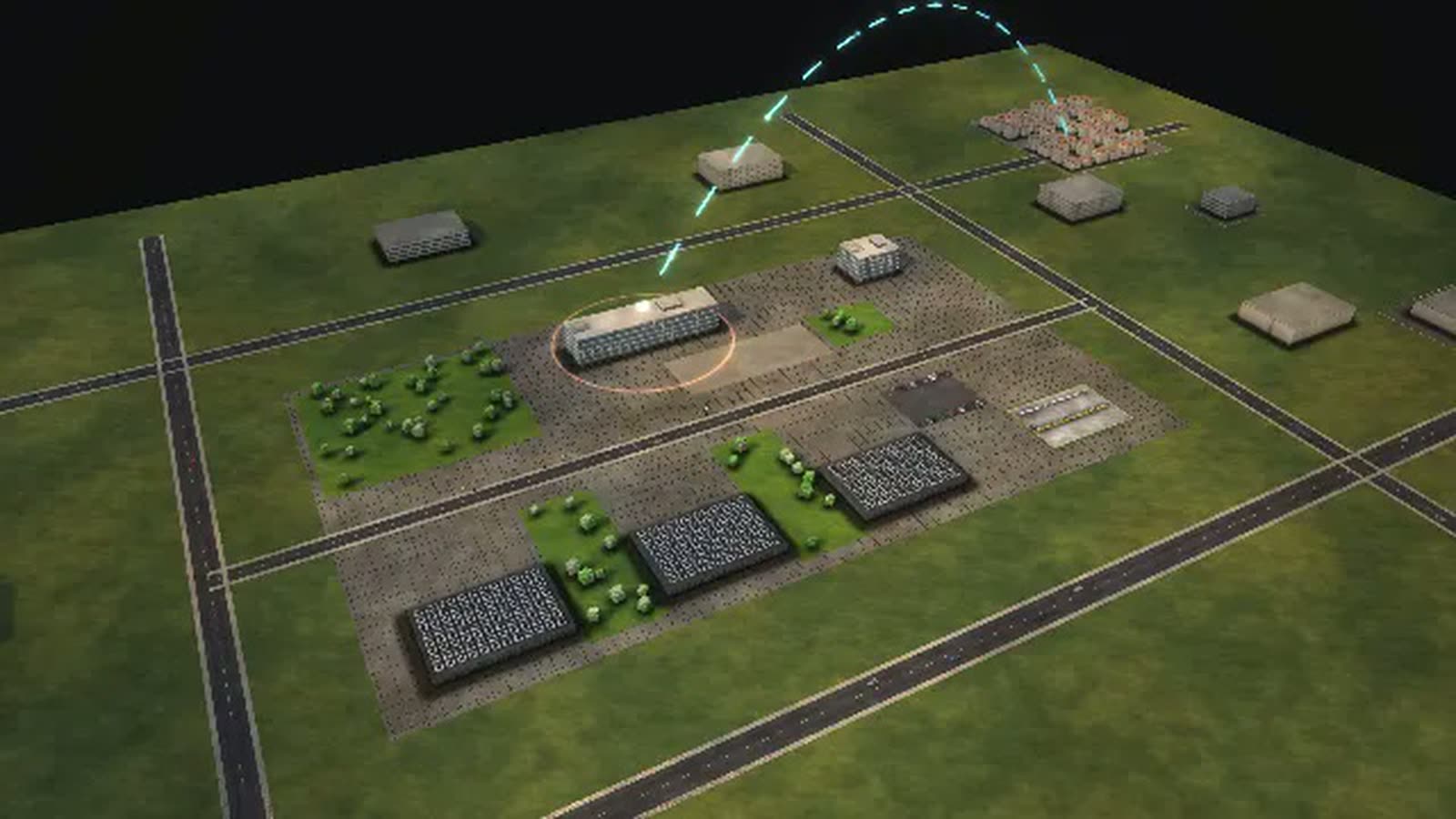
SOLMERA ENERGIE is invented, and so are all its numbers. With real data the model can show what stays hidden in specialist systems today – such as switches and clarification cases per grid area, or forecast errors and balancing energy per day.
How does the energy supplier switching process work, and where does it get stuck? The page explains it using SOLMERA ENERGIE, a fictional energy group. It generates power from gas, wind and sun, trades it every day by noon for tomorrow and supplies households through someone else's grid.
A switch in the model: a household signs up online, the customer system checks creditworthiness, the switching team registers the customer with the grid operator, the meter is assigned, the previous supplier deregisters, and supply begins. If the meter number does not match, customer service has to clarify – and the switch waits. Target: supplied within 24 hours.
Alongside run a billing complaint, day-ahead trading, a wind turbine fault and a new wind farm. During dark doldrums, forecasting and trading take twice as long for three days; a battery at the wind farm absorbs forecast errors. Written for the board, sales, customer service, trading, risk management and project development.
A household switches to SOLMERA
- 01
Customer signs up online: A household signs an electricity contract online.
- 02
Credit check: The customer system checks creditworthiness.
- 03
Manual check: Customer service checks by hand, for example prepayment.
- 04
Declined.
- 05
Registration with the grid operator: The switching team registers the customer with the grid operator.
- 06
Grid operator assigns the meter: The grid company assigns the meter to the new supplier.
- 07
Clarification: meter number does not match: The meter number does not match: customer service clarifies.
- 08
Customer provides the meter number: The customer sends a photo of the meter.
- 09
Deregistration with the old supplier and instalment plan run in parallel.
- 10
Previous supplier deregisters: The previous supplier confirms deregistration.
- 11
Instalment plan: Billing sets the monthly instalments.
- 12
Deregistered and instalments set.
- 13
Supply starts: Supply begins.
- 14
Meter reading from the metering operator: The metering operator supplies the opening reading.
- 15
Supplied.
How an energy supplier can use the model
-
Internal communication
Head office, customer centre, gas-fired plant, wind farm and solar park on one map. Sales, trading and generation see how their work connects – and why the grid belongs to another company.
For whomBoard, corporate communications, sales, trading and generation
-
Onboarding
New customer service staff follow a switch step by step and see where a wrong meter number sends the case back. The eight-step tour explains the controls.
For whomNew staff in customer service, switching and billing
-
Training
Trainees trigger dark doldrums or a trading system outage and watch forecasting and trading come under pressure. The fixed noon bid deadline shows up in the diagram ‘Year, week, day’.
For whomApprentices, work-study students, trading trainees
-
Explaining to customers
Customers see what happens after they sign up online: registration, meter assignment, deregistration with the old supplier, instalment plan. That explains why they are sometimes asked for their meter number.
For whomSales, customer service, customer communications
-
Strategic overview
Switching team, customer portal, battery storage and condition-based maintenance side by side. ‘What each control does’ shows which lever relieves sales and generation most.
For whomBoard, controlling, risk control
What is shown – why – for whom
| What is shown | Why | For whom |
|---|---|---|
| Diagram ‘Year, week, day’: noon bid deadline, switching within 24 hours | Whyexplains the fixed deadlines of the market | For whomTrading, sales |
| Diagram ‘How a case flows’: supplier switch with meter number clarification | Whyshows why switches get stuck | For whomCustomer service, process management |
| Diagram ‘Who sits where – and reports to whom’: power plant, wind, solar, head office | Whyshows generation across the landscape | For whomCommunications, investors |
| Diagram ‘What each control does’: switching team, customer portal, battery storage, maintenance | Whyranks the levers for sales and generation | For whomBoard, controlling |
| Diagram ‘Where the time goes’: a new wind farm | Whyshows permitting and construction over years | For whomProject development, policymakers |
| Disruption ‘Dark doldrums’ | Whyshows forecasting and trading under pressure | For whomTrading, risk management |
| Data view: trading and risk system | Whyshows the dependence on the trading system | For whomIT, risk management |
Departments in the model
-
Management board
Leads generation, trading and sales – the grid is not part of it.
-
Power plant operations
Runs the gas power plant to schedule.
-
Renewable generation
Operates wind and solar parks from the remote control centre.
-
Service and maintenance
Drives to the turbines, maintains and repairs.
-
Project development
Secures land, applies for permits, builds new parks.
-
Forecasting and portfolio management
Forecasts load and feed-in per quarter hour.
-
Trading (front office)
Bids in the auction and trades until shortly before delivery.
-
Risk control (middle office)
Checks limits – separate from trading.
-
Settlement (back office)
Confirms, settles, reports.
-
Sales
Wins households and businesses.
-
Switching and market communication
Registers customers with the grid operator – within one working day.
-
Customer service
Phone, mail, complaints.
-
Billing
Instalments and annual bill from meter readings.
-
Legal and regulation
Permits, contracts, unbundling.
-
IT
Trading, forecasting and billing systems.
All processes in the model
A household switches to SOLMERA
- 01Customer signs up online: A household signs an electricity contract online.
- 02Credit check: The customer system checks creditworthiness.
- 03Manual check: Customer service checks by hand, for example prepayment.
- 04Declined.
- 05Registration with the grid operator: The switching team registers the customer with the grid operator.
- 06Grid operator assigns the meter: The grid company assigns the meter to the new supplier.
- 07Clarification: meter number does not match: The meter number does not match: customer service clarifies.
- 08Customer provides the meter number: The customer sends a photo of the meter.
- 09Deregistration with the old supplier and instalment plan run in parallel.
- 10Previous supplier deregisters: The previous supplier confirms deregistration.
- 11Instalment plan: Billing sets the monthly instalments.
- 12Deregistered and instalments set.
- 13Supply starts: Supply begins.
- 14Meter reading from the metering operator: The metering operator supplies the opening reading.
- 15Supplied.
A customer complains about the bill
- 01Customer complains: A customer thinks the annual bill is too high.
- 02Complaints office reviews: The complaints office reviews: often it is an estimated reading.
- 03Billing checks the invoice: Billing checks consumption and tariff.
- 04Request meter data again: The metering operator supplies the actual values.
- 05Reply to the customer: The customer receives a reply, if necessary a corrected bill.
- 06Arbitration board mediates: The customer turns to the arbitration board.
- 07Done.
Power for tomorrow is traded
- 01Forecast: load, wind and sun: In the morning: how much will customers need tomorrow, how much will wind and sun deliver?
- 02Open position per quarter hour: Per quarter hour: what is missing, what is surplus?
- 03Bid for the auction: Trading prepares the bid for the auction.
- 04Limit check: Risk control checks: does the deal stay within the limit?
- 05Day-ahead auction (12 noon): At 12 noon the exchange auctions the whole next day.
- 06Schedule to the transmission operator: The schedule goes to the transmission operator, the plant runs to it.
- 07Trading until shortly before delivery: If the wind changes, trading continues until shortly before delivery.
- 08Delivery the next day: Delivery the next day.
- 09Settle balancing energy: The back office settles the balancing energy.
- 10Settlement and risk report: Settlement, confirmation, risk report.
- 11Delivered.
A wind turbine stops
- 01Turbine reports a fault: A turbine reports a fault at the gearbox oil pump.
- 02Remote diagnosis: The remote control centre checks the data and tries a restart.
- 03Service team drives out: A service team drives to the park.
- 04Repair at the turbine: The team replaces the pump in the nacelle.
- 05Spare part from the manufacturer: The spare part comes from the manufacturer.
- 06Turbine back on the grid: The turbine goes back on the grid.
- 07Running.
A new wind farm is built
- 01Secure land, measure wind: Project development leases land and measures the wind.
- 02Studies: noise, shadow, species protection: Noise, shadow, birds and bats are studied.
- 03Application under pollution control law: The application under pollution control law goes to the district.
- 04Permitting procedure: The authority decides.
- 05Refused.
- 06Tender of the Federal Network Agency: SOLMERA bids in the Federal Network Agency's tender.
- 07Grid connection and turbines are ordered at the same time.
- 08Grid connection from the grid operator: The grid company builds the connection.
- 09Order turbines (lead time): The manufacturer builds the turbines.
- 10Connection and turbines are coming.
- 11Construction: roads, foundations, crane, turbines: Roads, foundations, crane: the turbines are erected.
- 12Commissioning and registration: Commissioning, entry in the market master data register, handover to operations.
- 13On the grid.
What you can change
Controls
- Switching wave: When a competitor raises prices, many switch at once.
- Switching team: How many registrations are handled at once.
- Customer portal: Customers see their readings themselves – more complaints are clear at once (model assumption).
- Battery storage at the wind farm: Storage absorbs forecast errors: less balancing energy (model assumption).
- Condition-based maintenance: Sensors detect damage early: fewer failures (model assumption).
Disruptions
- Dark doldrums: Three days with hardly any wind and sun, prices jump: forecasting and trading take twice as long.
- Trading system fails: For four hours the trading and risk system is down: no bids, no limit checks.
- Storm over the wind farm: For a day many turbines shut down; teams may only climb afterwards.
- Lawsuit against a permit: For a year permits take twice as long.
What the model gives an energy supplier
-
01
Deadlines you can see
24 hours for a switch, noon for the bid, four weeks to answer a complaint: the model puts the deadlines on a timeline, and the simulation shows when they slip.
-
02
From customer to turbine
Sales and generation in one model: switch, complaint, day-ahead trading, turbine fault and wind farm run side by side, each with its own queues and bottlenecks.
-
03
Rehearse disruptions
Dark doldrums, a storm over the wind farm, a trading system outage or a lawsuit against a permit: each one can be triggered and followed in the diagrams.
-
04
One picture for board and supervisory board
The org chart with risk control as a control function, generation on the map, levers side by side – live from the model instead of from slides.
-
05
For screens and trade fairs
On a laptop in the browser or projected large at a trade fair: a demo mode plays the model on its own, in the customer centre too.
Basis and limits
Fictional energy group · model based on researched industry structures · no forecast for real companies
1 case = 10 switches, 1 complaint, 1 sub-portfolio, 1 turbine fault or 1 wind farm · 1 figure ≈ 30 employees
All volumes, durations, rates and capacities are model assumptions, not values of a real utility.
The wind farm is compressed: in reality four to seven years often pass from idea to grid.
Documented: unbundling of grid and sales, four-week complaint deadline, supplier switch within 24 hours, gate closure 12 noon for the next day.
Public sources the model is based on:
- Energiewirtschaftsgesetz (u. a. §§ 6–10e Entflechtung, § 111a Beschwerden)
- Bundesnetzagentur: Ausschreibungen, Marktstammdatenregister
- Übertragungsnetzbetreiber: Bilanzkreise und Regelenergie
- EPEX SPOT: Day-Ahead und Intraday, 15-Minuten-Produkte
- Bundes-Immissionsschutzgesetz
- Fachagentur Wind und Solar: Genehmigungsdauern
- Bundesnetzagentur: Lieferantenwechsel in 24 Stunden
Your energy company as a model
Sales, trading or generation: we discuss which of your processes the model should show and which data are ready for it. Ask us and we will gladly send you the password to try the simulation.
cube4tec.de/spiele/minimal-organization/
Ask about this
Minimal Organization: Energieversorger
Similar business models
-
Electricity grid operator
A grid operator as a walkable model: see how a solar system or heat pump gets connected and when grid planning becomes the bottleneck.
-
Water and wastewater utility
A water utility as a walkable model: from the reservoir to the treatment plant, with the path of a drinking water sample through the lab to the public health office.
-
Chemical group with integrated site
A chemical site as a walkable model: see how a polyethylene order runs through the integrated site and which plants stall when the cracker trips.
-
Insurance company
An insurer as a walkable model: a motor claim runs straight through or via claims handler, loss adjuster and workshop to payment and recovery.
-
Housing company
A municipal housing company as a walkable model: what happens after a tenant reports a cold radiator, who repairs it and what speeds up the fix.
-
Online retail
An order from click to doorstep as a walkable model: payment check, warehouse, packing, trucks, sortation and delivery in a running simulation.
-
Search engine
A search and advertising group as a walkable model: auctions in milliseconds, experiments over weeks, and a new ad campaign that waits for people.
-
Cloud provider
A cloud provider as a walkable model: support cases, zone outages and new data centres on three time scales, in a running simulation.
SOLMERA ENERGIE is invented, and so are all its numbers. With real data the model can show what stays hidden in specialist systems today – such as switches and clarification cases per grid area, or forecast errors and balancing energy per day.