
Simulation · Minimal Organization · Digital platforms
Social network
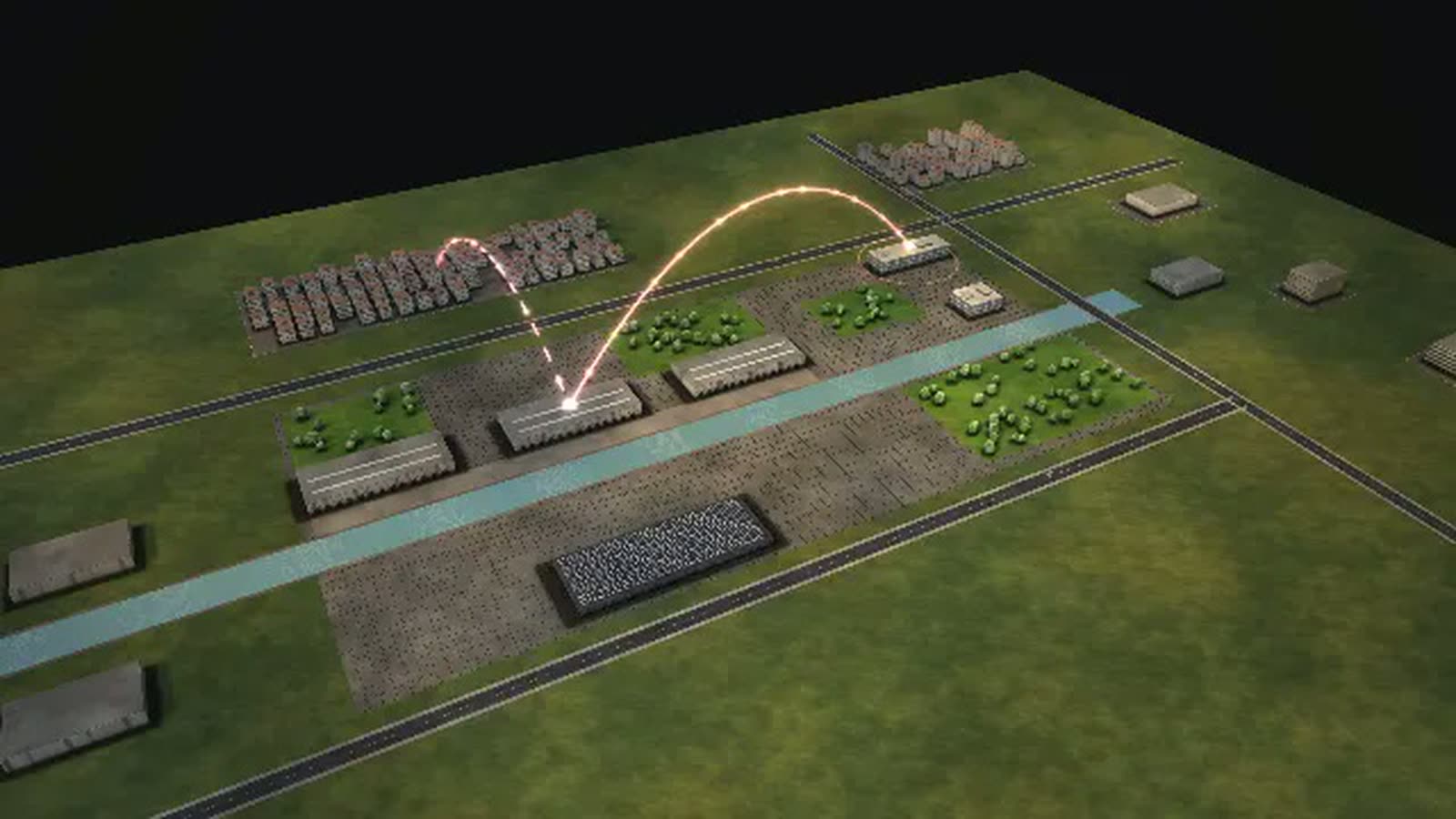
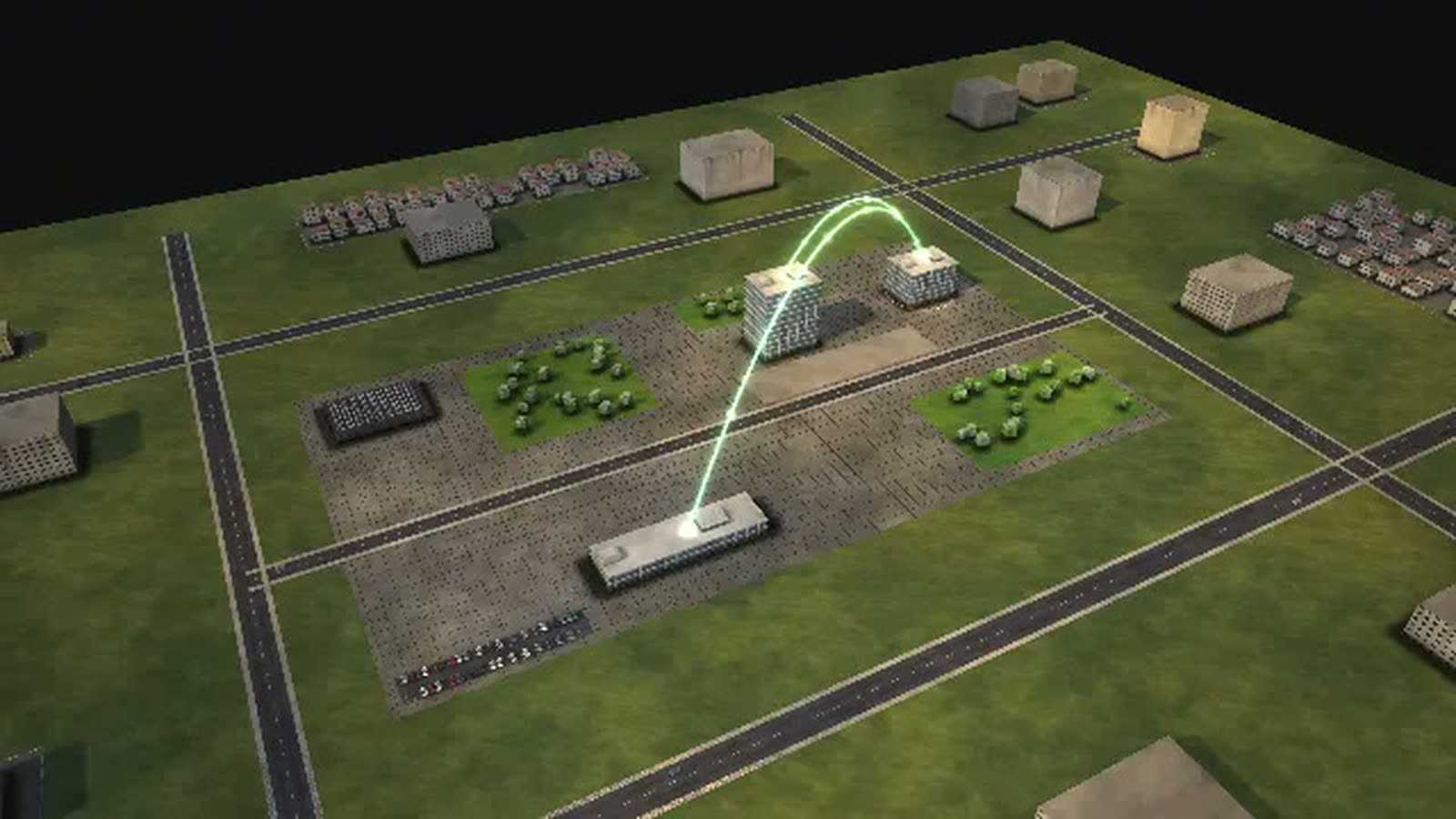
A social network as a walkable model: how a report moves through triage, moderation, statement of reasons and appeal, language by language.
All data are fictional – SOVIRA does not exist. Fitted to your platform's real data, the model shows what nobody sees at a glance today: report volumes by language and category, or decision times and appeal rates per team.
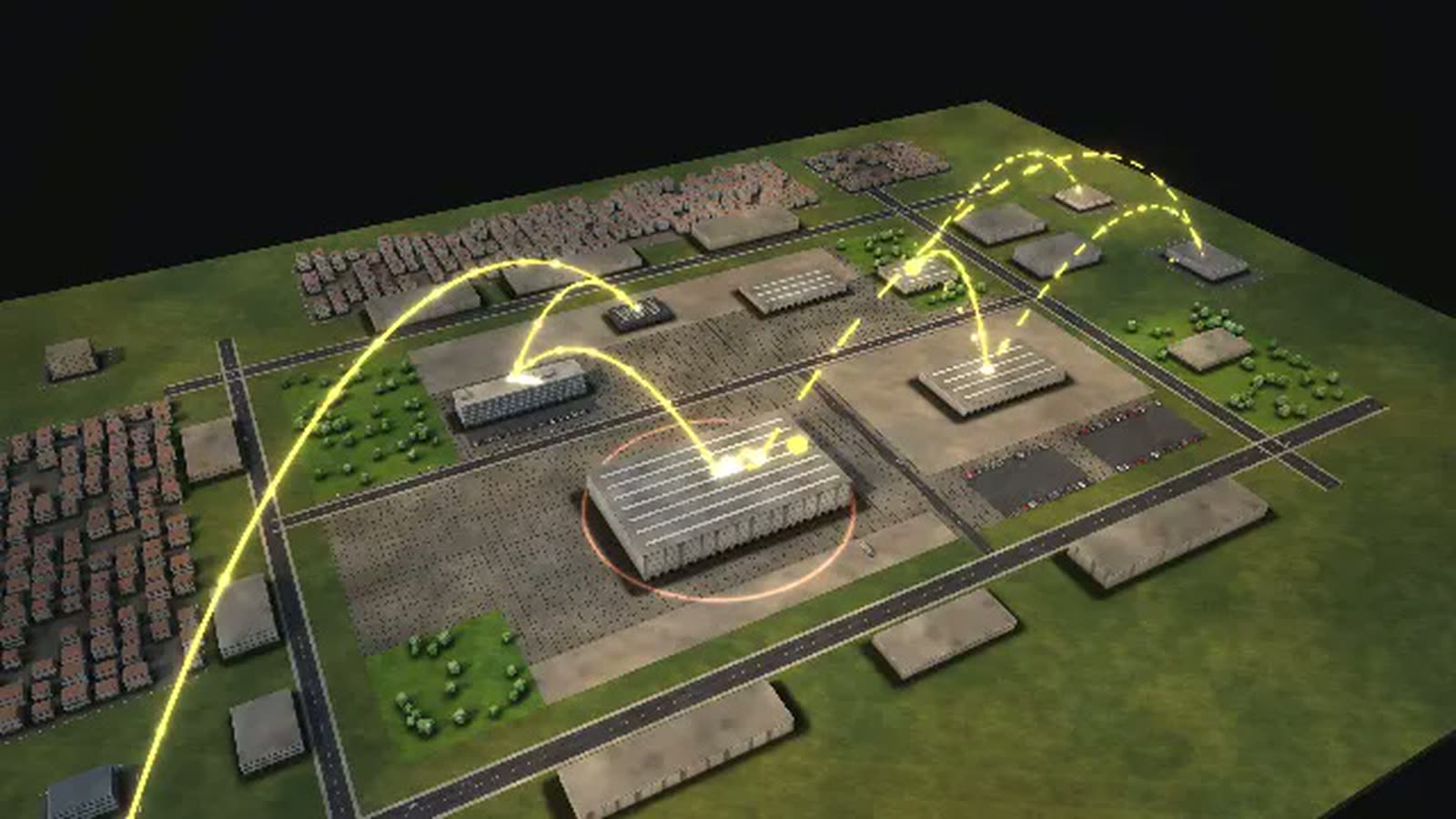
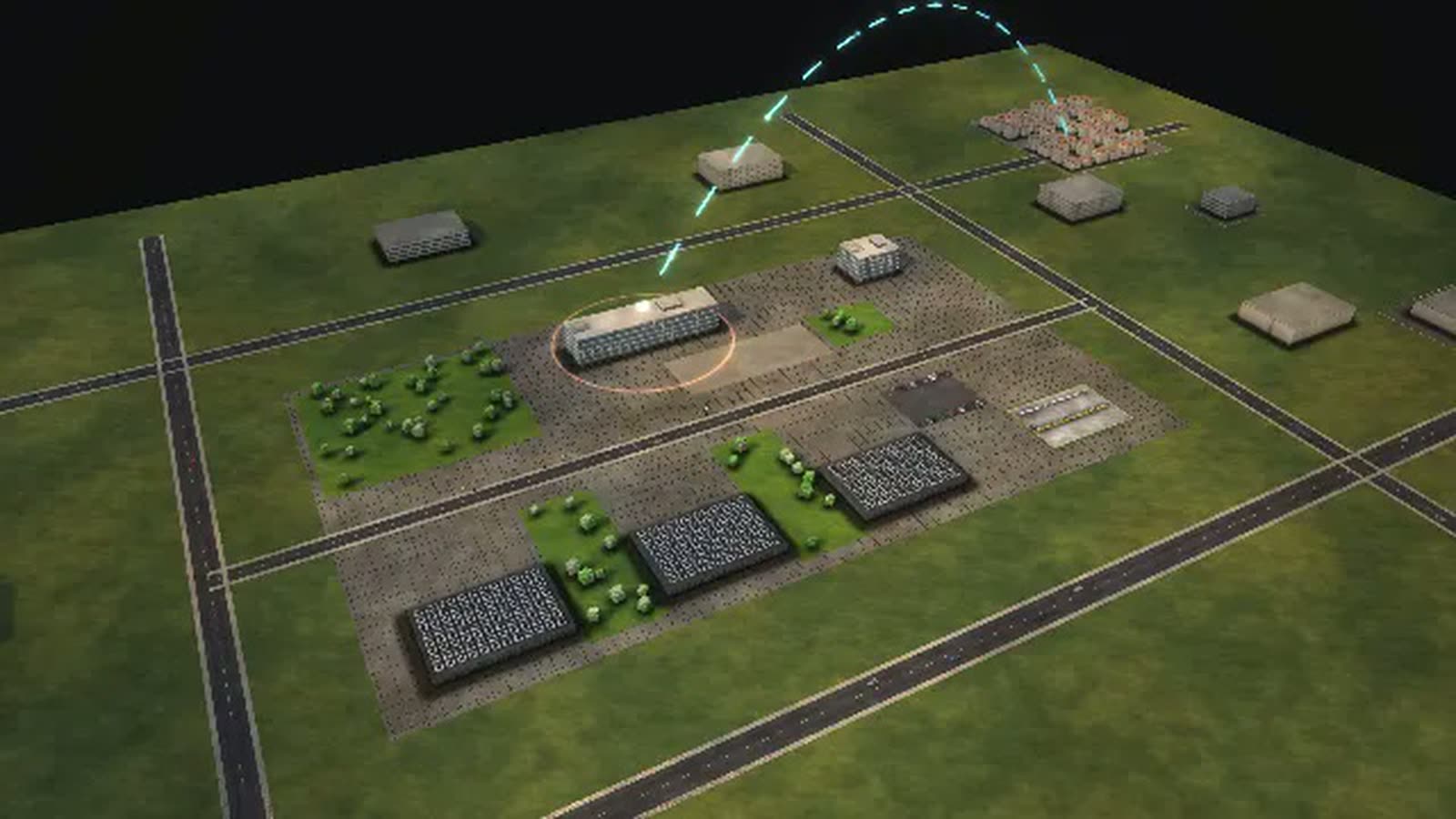
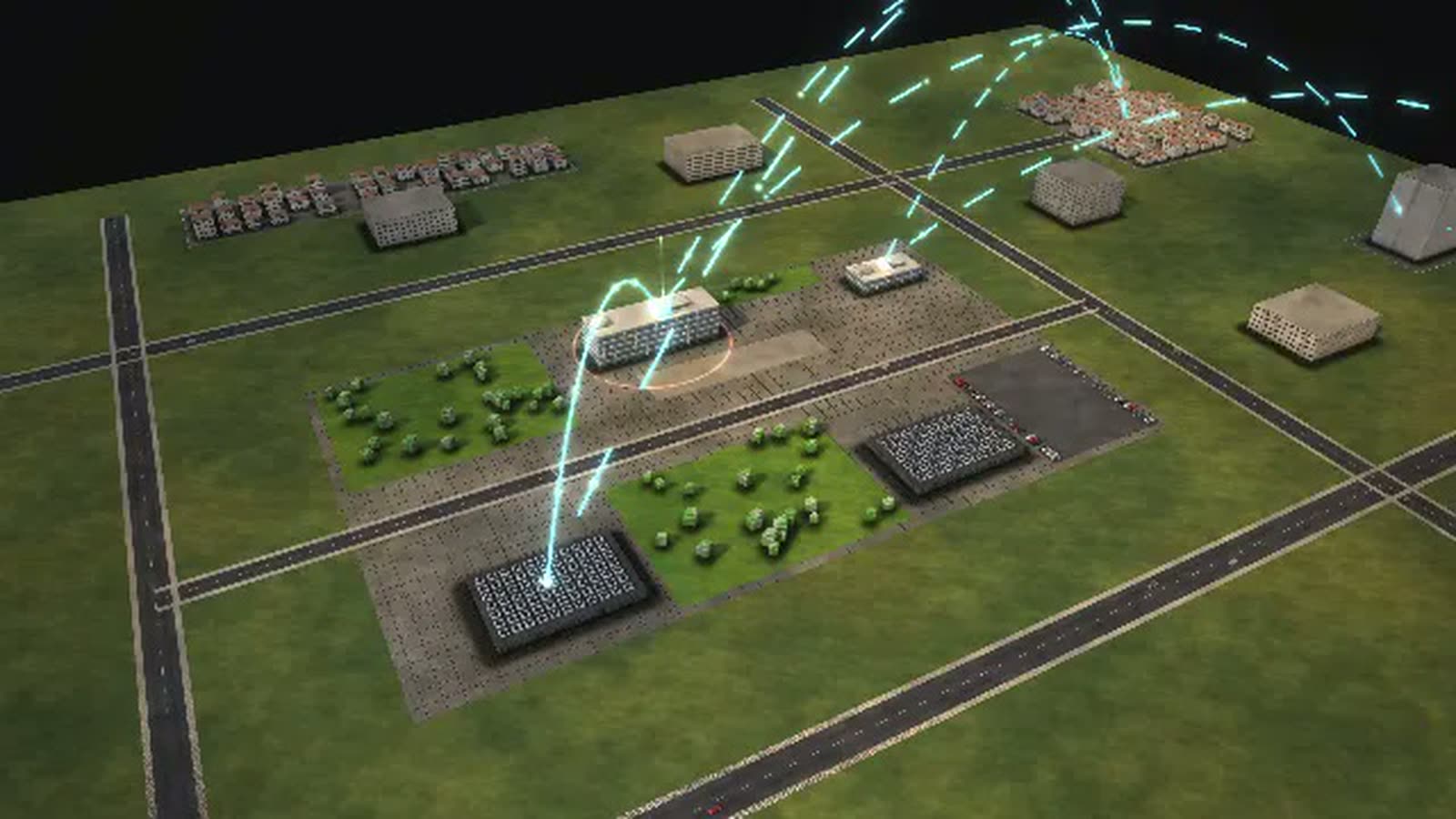
The content moderation process, step by step in a model. At SOVIRA, a fictional social network, content is made in seconds and reviewed by people, language by language. The main process follows a report through automated triage, priority for trusted flaggers and moderation to a statement of reasons with an entry in the transparency database. If someone objects, it continues to the internal appeal and to out-of-court dispute settlement.
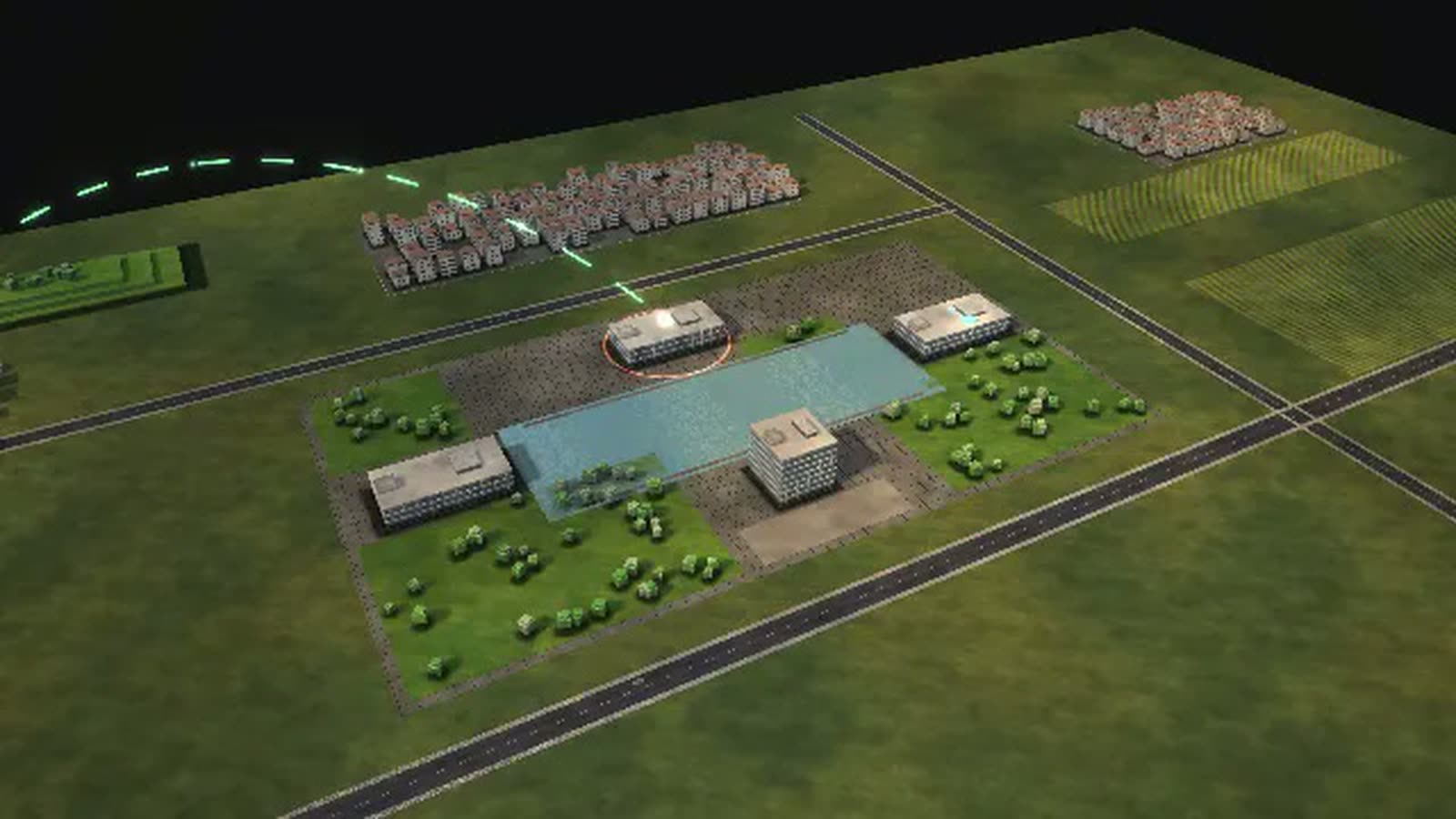
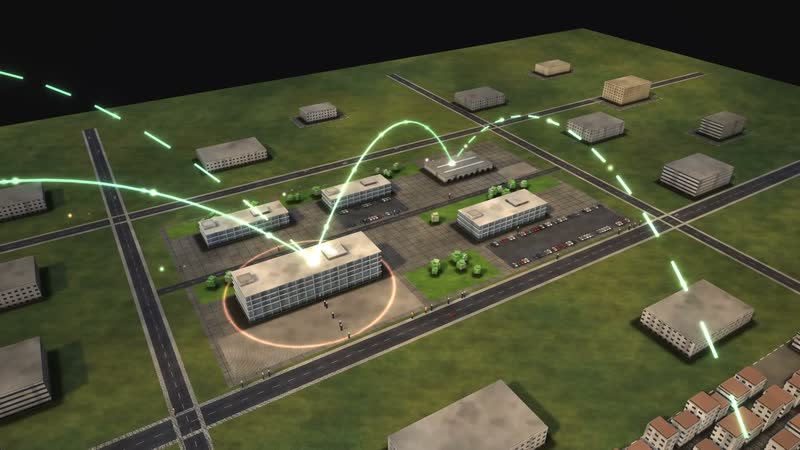
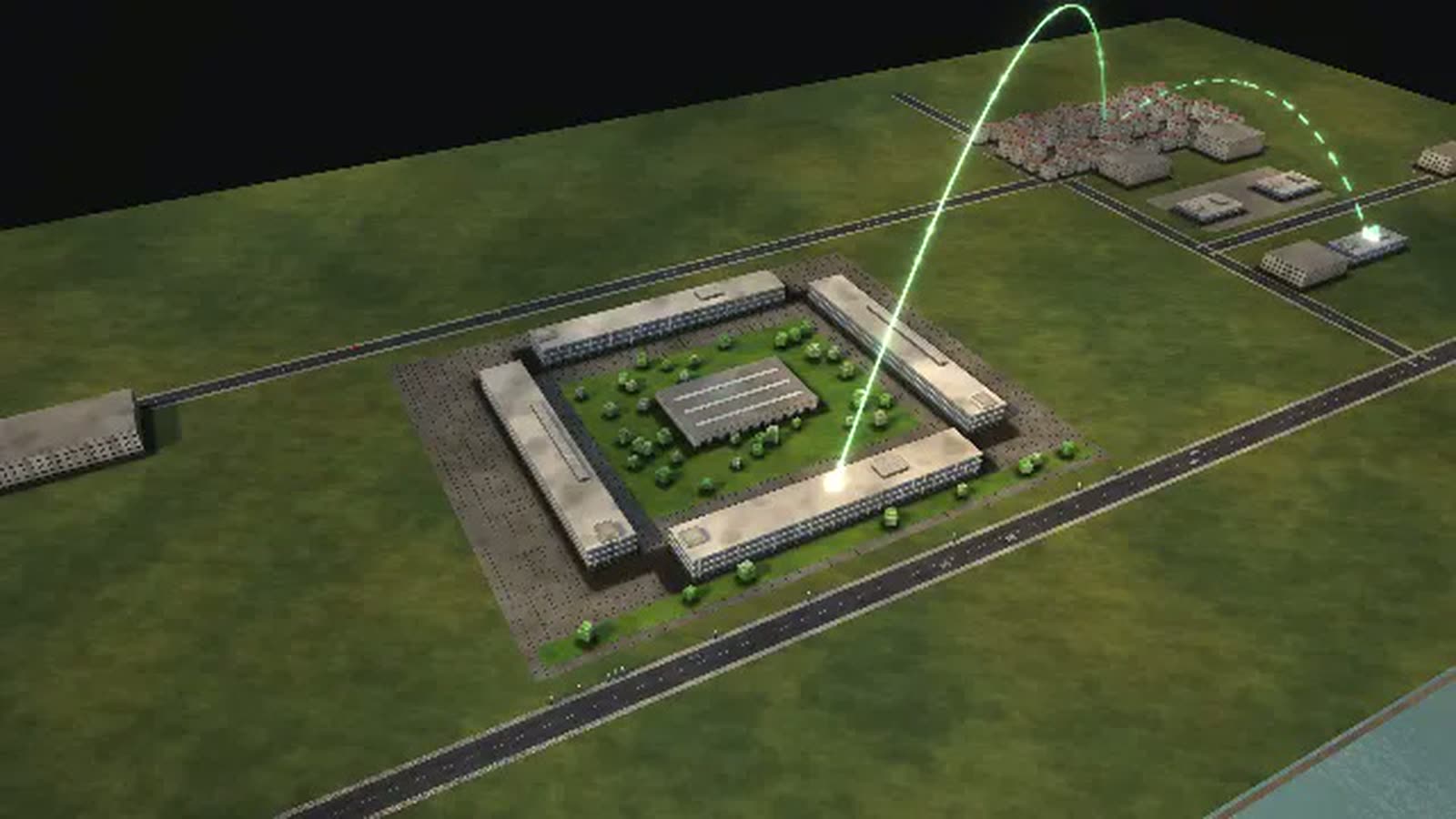
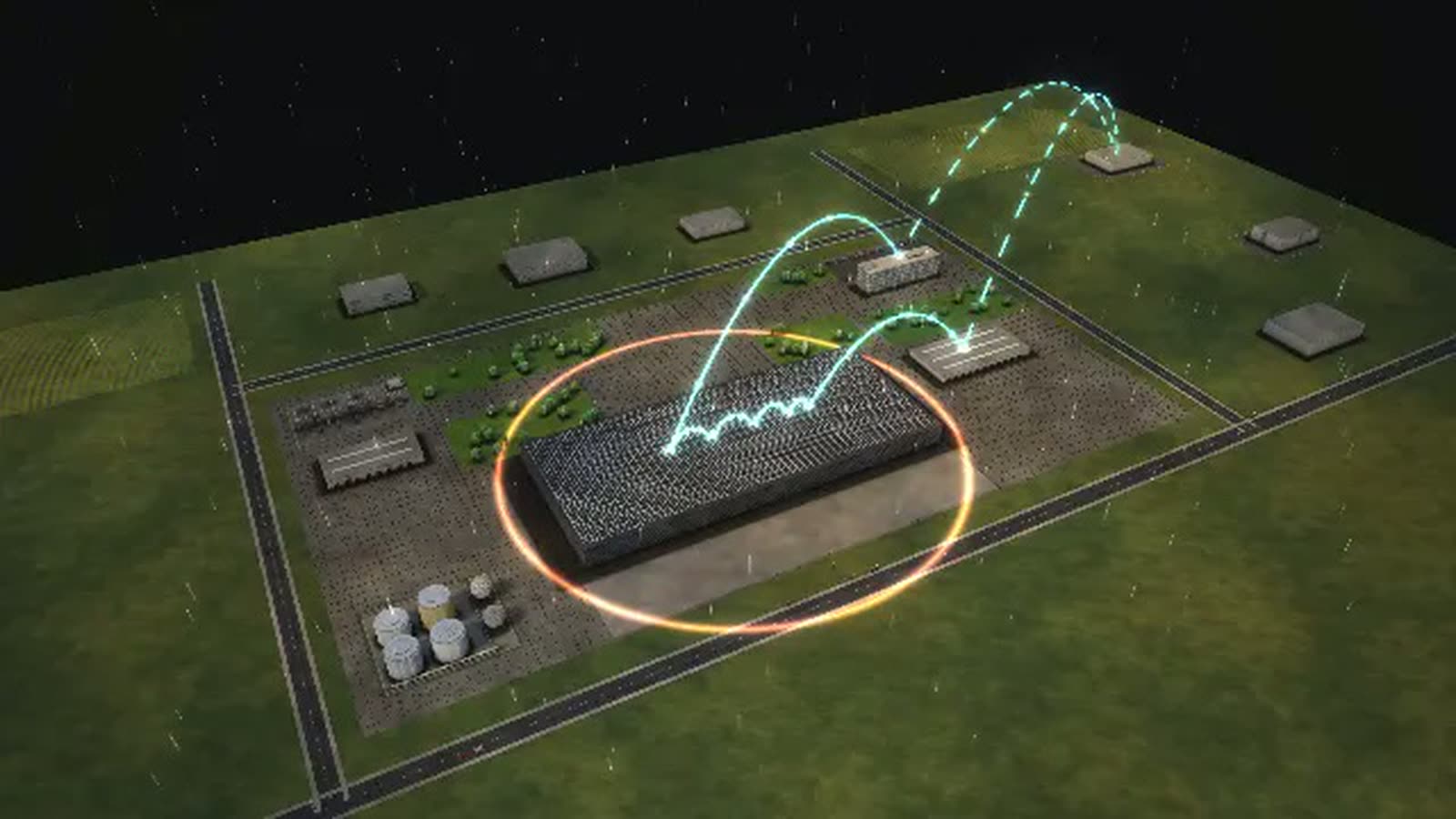
The site has three halls for product, recommendation and ads, the moderation centre, the compliance cube and a data centre. Before an election five times as many reports arrive for three days, and you can see where moderation stops keeping up. Alongside, videos go online, and the annual risk assessment runs as a mandatory cycle with an external audit.
The steps follow the notice-and-action procedure of the EU Digital Services Act. The 24-hour target is set by the model, not a general legal deadline. This page is for anyone at a platform who is responsible for moderation, compliance, product or communications.
Content is reported
- 01
Users report content: A hundred users report a post as hate speech.
- 02
Automatic triage: Classifiers sort by severity and language.
- 03
Priority: trusted flaggers: A moderator reviews at once.
- 04
Moderation reviews: Moderation reviews: illegal, against the rules or neither.
- 05
Statement of reasons and transparency database: Those affected receive a statement of reasons; the decision goes into the public database.
- 06
Internal appeal (not only automated): An appeal is reviewed by people, not only machines.
- 07
Out-of-court dispute settlement: An independent body decides.
- 08
Done.
How a platform can use the model
-
Internal communication
The diagram ‘Where people work’ shows where in the company content is reviewed. The moderation contractor in another city is part of the model as an outside party.
For whomLeadership, internal comms, works council
-
Onboarding
New teams in product and recommendation see what happens after a report: triage by classifiers, moderation, statement of reasons, appeal.
For whomNew teams in product, integrity and moderation
-
Training
New moderators play through ‘Language team unavailable’: for two weeks a third of their colleagues are missing. They see which queues grow first.
For whomModerators, shift leads
-
Explaining to customers
Show users, creators and the public what happens to a report and where a statement of reasons comes from. ‘How a case flows’ shows the seven steps with volume bands.
For whomCommunications, creator programmes, regulators
-
Strategic overview
Better triage or more moderators? ‘What each control does’ weighs technology against people, and the crisis event before an election shows where the limit lies.
For whomBoard, product, head of moderation, crisis team
What is shown – why – for whom
| What is shown | Why | For whom |
|---|---|---|
| Diagram ‘How a case flows’: from report to dispute settlement | WhyShows the legal procedure step by step. | For whomCompliance, regulators, the public |
| Moderation backlog (Resources view) | WhyShows where the 24 hours are missed. | For whomHead of moderation, workforce planning |
| Diagram ‘Where it gets tight’ during a crisis event before an election | WhyShows the limit before it is reached. | For whomCrisis team, management |
| Diagram ‘What each control does’: triage versus moderators | WhyWeighs technology against people. | For whomProduct, head of moderation |
| Diagram ‘Where people work’ | WhyMakes visible the moderation work nobody else sees. | For whomCommunications, works council |
| Data view: classifiers and transparency database | WhyShows what the procedure depends on. | For whomIT, compliance |
| Process ‘The annual risk assessment’ | WhyShows the mandatory cycle alongside daily business. | For whomCompliance, board |
Departments in the model
-
Board
Leads product, ads and integrity.
-
Feed and video
Builds what users see.
-
Creator programmes
Shares revenue so content gets made.
-
Recommendation and ranking
Decides who sees what first.
-
Integrity
Classifiers against spam and illegal content.
-
Moderation
Reviews reported content – language by language.
-
Ads
Sales, auction, ad library.
-
Compliance (independent)
Risk assessment, reports, audit – independent of product.
-
Legal
Orders, proceedings, reporting duties.
-
Platform operations
Data centre, media, resilience.
All processes in the model
Content is reported
- 01Users report content: A hundred users report a post as hate speech.
- 02Automatic triage: Classifiers sort by severity and language.
- 03Priority: trusted flaggers: A moderator reviews at once.
- 04Moderation reviews: Moderation reviews: illegal, against the rules or neither.
- 05Statement of reasons and transparency database: Those affected receive a statement of reasons; the decision goes into the public database.
- 06Internal appeal (not only automated): An appeal is reviewed by people, not only machines.
- 07Out-of-court dispute settlement: An independent body decides.
- 08Done.
A video goes online
- 01Creator uploads a video: A thousand creators upload videos.
- 02Transcoding and hash matching: Transcoding, matching against known illegal content.
- 03Moderation reviews: A match goes to moderation.
- 04Rank into feeds: Recommendation sorts the video into feeds.
- 05In the feed.
The annual risk assessment
- 01Identify systemic risks: Compliance assesses risks: illegal content, fundamental rights, elections, minors.
- 02Measures in the product: The product changes: defaults, reach limits.
- 03External audit: External auditors give an opinion.
- 04Report to the Commission: The report goes to the Commission.
- 05Commission request for information: The Commission asks for more.
- 06Closed.
What you can change
Controls
- Report volume: After an event many more reports arrive.
- Moderators: More moderators, shorter waits – and higher cost.
- Reach limit for new accounts: Less spam and fewer reports, slower growth (model assumption).
- Better triage: Clear cases are reviewed faster (model assumption).
Disruptions
- Crisis event before an election: For three days five times as many reports arrive.
- Regulatory order: For two months every review takes longer: new rules, new training.
- Language team unavailable: For two weeks a third of the moderators are missing.
- Classifiers fail: For two hours nothing is triaged.
What the model gives a social network
-
01
The procedure as a path
Seven steps from report to dispute settlement, each with its own department: walkable, instead of hidden in a legal text.
-
02
Load before the election
The simulation runs queues at every step. Five times the reports for three days show where the 24 hours break – before it really matters.
-
03
Duty next to daily work
The annual risk assessment, with external audit and a report to the Commission, runs in the same model as daily moderation.
-
04
Work people rarely see
The moderation centre and compliance cube appear as buildings full of rooms and people, which helps explain their work inside and outside the company.
-
05
Designed, not assembled
An artist and developer designed the model: a calm world of blocks, in the browser and on large projections.
Basis and limits
Fictional social network · model based on researched industry structures · no forecast for real companies
1 case = 100 reports, 1000 videos or 1 risk assessment · 1 figure ≈ 50 employees
All volumes, durations, rates and capacities are model assumptions, not values of a real platform.
The 24-hour target is a model goal, not a general statutory deadline.
Documented: notice and action, statement of reasons and public database, internal appeals, dispute settlement, risk assessment and audit under the Digital Services Act.
Public sources the model is based on:
- Gesetz über digitale Dienste, VO (EU) 2022/2065
- DSA-Transparenzdatenbank der Kommission
- Koordinator für digitale Dienste in Deutschland
Your platform as a model
Would you like to show your notice-and-action process, language teams or risk assessment like this? Get in touch in writing or by phone and we'll work out which figures belong in the model. We'll send the password that opens SOVIRA on request.
cube4tec.de/spiele/minimal-organization/
Ask about this
Minimal Organization: Soziales Netzwerk
Similar business models
-
Search engine
A search and advertising group as a walkable model: auctions in milliseconds, experiments over weeks, and a new ad campaign that waits for people.
-
Online retail
An order from click to doorstep as a walkable model: payment check, warehouse, packing, trucks, sortation and delivery in a running simulation.
-
Local court
A local court as a walkable model: what happens between claim and judgment, where the months go and which levers shorten proceedings without touching judicial independence.
-
Cloud provider
A cloud provider as a walkable model: support cases, zone outages and new data centres on three time scales, in a running simulation.
-
Payment service provider
A payment service provider as a walkable model: a card payment from authorisation in milliseconds to the payout to the merchant in the morning.
-
Smartphone maker
A smartphone maker without its own factory as a walkable model: repairs, spare parts, supply chain and product launch in a running simulation.
-
Semiconductor manufacturer
A chip fab as a walkable model: see where a wafer lot spends its weeks and why lithography sets the pace for the whole fab.
-
Bank
A bank as a walkable model: a business loan from first vote to disbursement, with sales and risk kept apart up to the board, in a running simulation.
All data are fictional – SOVIRA does not exist. Fitted to your platform's real data, the model shows what nobody sees at a glance today: report volumes by language and category, or decision times and appeal rates per team.